Share this story
barmalini/Getty Images
I am not an ambitious gardener. Once I considered laying down a cold frame, and I did buy a few pear trees. I dropped the first idea when I thought of a deer planting a hoof through the glass, and the pear trees themselves mocked the second: only one of them ever producing fruits, and those as hard as rocks.
After planting this spring, we barely touched the garden all summer. Other commitments, headaches, and sloth intervened. We have irrigation hoses laid in the raised beds, so the garden did not suffer when rain turned to drought, and a neighbor looked in on it from time to time, but mostly, like modern children, it took its own way. Some plants gave up the ghost -- peas, beans. Others flourished as if nothing was amiss.
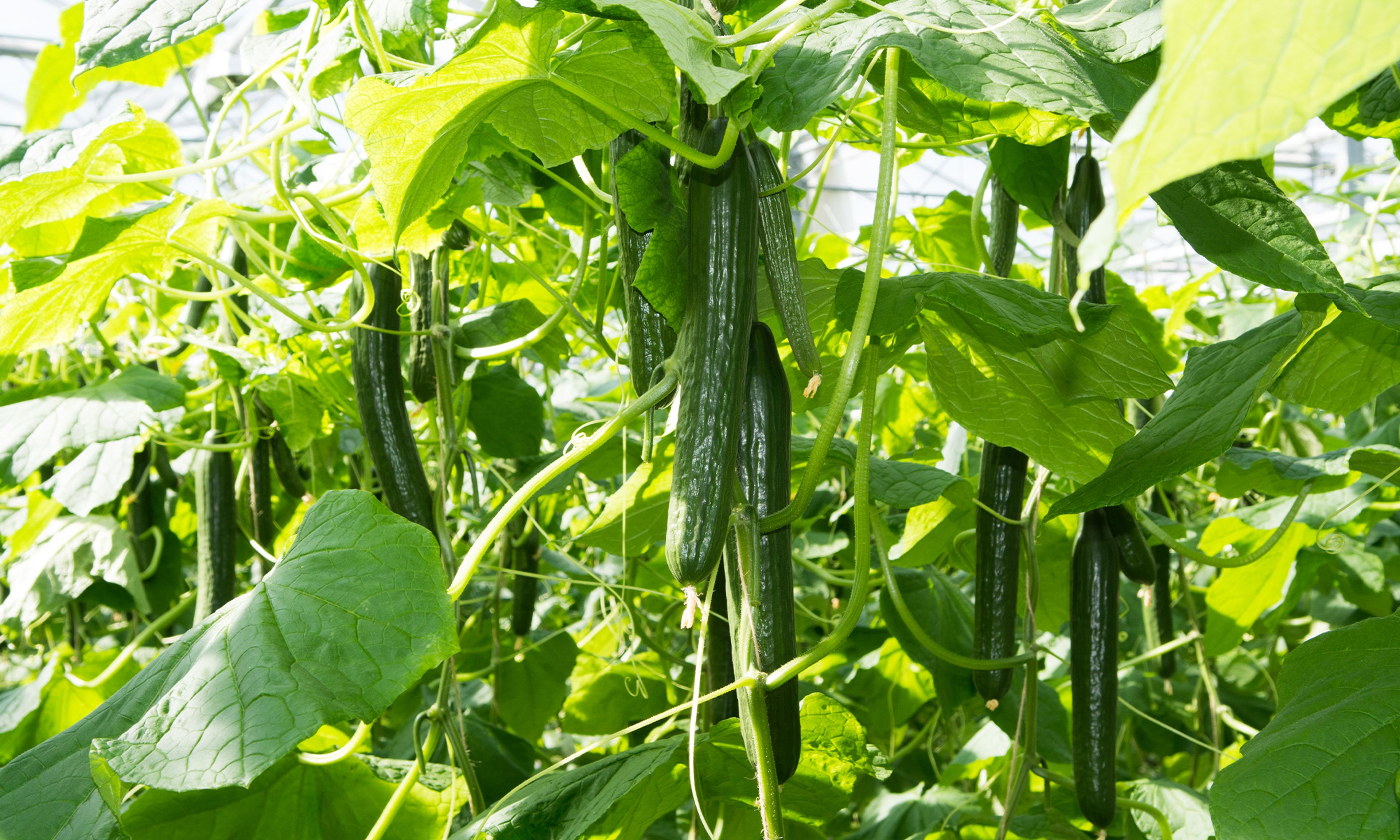
Fall is a turning point for a garden, the next to last one. The garden is at its prolific best, even as it is about to leave the scene. We seem not to have planted zucchini this year; cucumbers took up the slack, climbing up the exterior fences, slumbering under leaves where they swelled to enormous size. In desperation we took half a carry-on bag home with us on the bus and bore another load to our neighbors up the hill, who accepted our invitation to make use of them. Occasionally a cucumber will surprise you with bitterness, but most of them are pleasant watery snacks -- watermelons minus sweetness.
This year we planted the tomatoes all in a row on the southern, sunniest side of the garden. Inverted conical planters held them up, until they simply threw themselves in one another’s arms like football players in a tackle or ravers on ecstasy. Chipmunks picked off their fruits -- you can keep out woodchucks, but not those little vandals -- eating whole halves or, sometimes, insultingly, taking single nips. That’s all right, there was more than enough left over for us. Pick them, pack them in plastic yogurt containers lined against jostling with paper towels, take them home, and serve them with garden herbs. Even I can cook that.
Leafy plants look like little forests. Swiss chard is tropical, kale is prehistoric. Chard grows, rots, wonders why we have not cut it. Kale does not care, it is here until the first frost, and beyond. Asparagus spears that we never harvested have shot up into feathery towers that bend under their own weight. Wild roses outside shoot stems into the garden, until with clippers we cut them and their nasty thorns down.
And then there are the red and orange flowers, nasturtiums and something like a small coneflower. We give you joy, which is as important as calories.
Early in the year I heard a wren out there. He has stopped singing, because either he has migrated or he no longer has to defend a territory. I hear crows who are always with us. Some disease slaughtered them a few years back, but they are returning. For picking, I can sit if need be on the upright wall of a raised bed, but for comfort and contemplation I have a board with a handle screwed into one side that I can lay across a corner where two beds meet, moving it about to avoid the sun, or these days seek it. Once I heard a snorting and a snarling from the pond down at the end of the lawn. A buck? A bear? I hear all kinds of birds on my property, and once at night some coyotes, never anything like that. I heard it splashing away.
The herb garden in the middle of the lawn is both more ornamental and wilder. It is not fenced, and if you do not spend hours mulching and weeding you might as well let it go. Mint and roses are the imperial powers that seek to conquer all. There are ferns at either end, sage in one corner and a stand of fennel at the other. I staked the fennel the last time I was there to keep it from making its last bows. In unoccupied spots I put hopeful flowers, digging slots between the rocks. Latest in was a pot of speedwell, bought because the label said it attracted bees. Truth in advertising. When I returned to water it, the stream from the pot drove them off.
In another two months all that remains will be some sleeping perennials and some stems that need to be cleared.

About the Author
Historian Richard Brookhiser is a senior editor of National Review and a senior fellow at the National Review Institute.
Featured Tags
Advertisement
Advertisement

Comments