How Inflation and Tariffs Impoverish People Differently
Written by John R. Puri
One redistributes buying power; the other limits what consumers can use it for.
Share this story
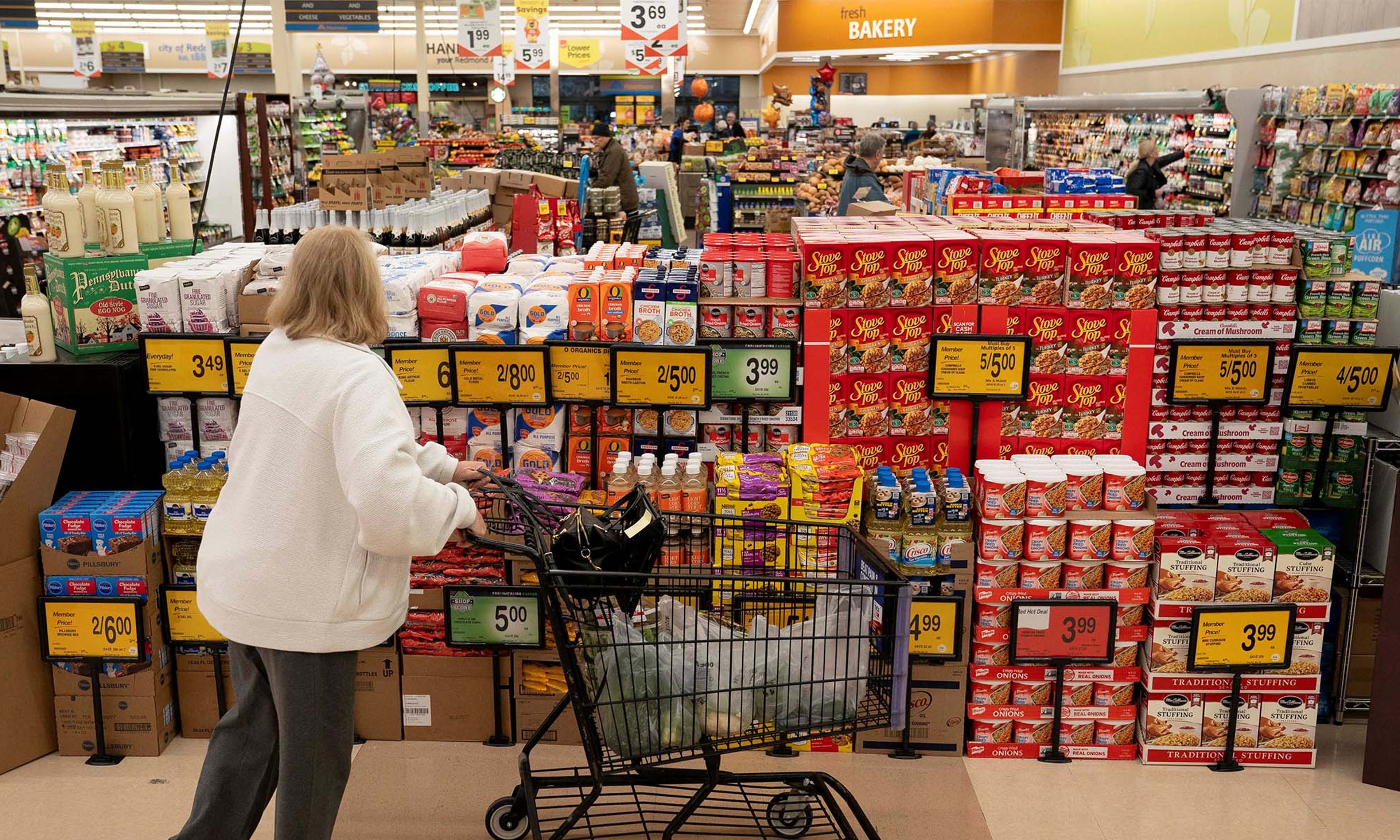
A shopper browses groceries at an Albertsons supermarket in Redmond, Wash., November 24, 2025.
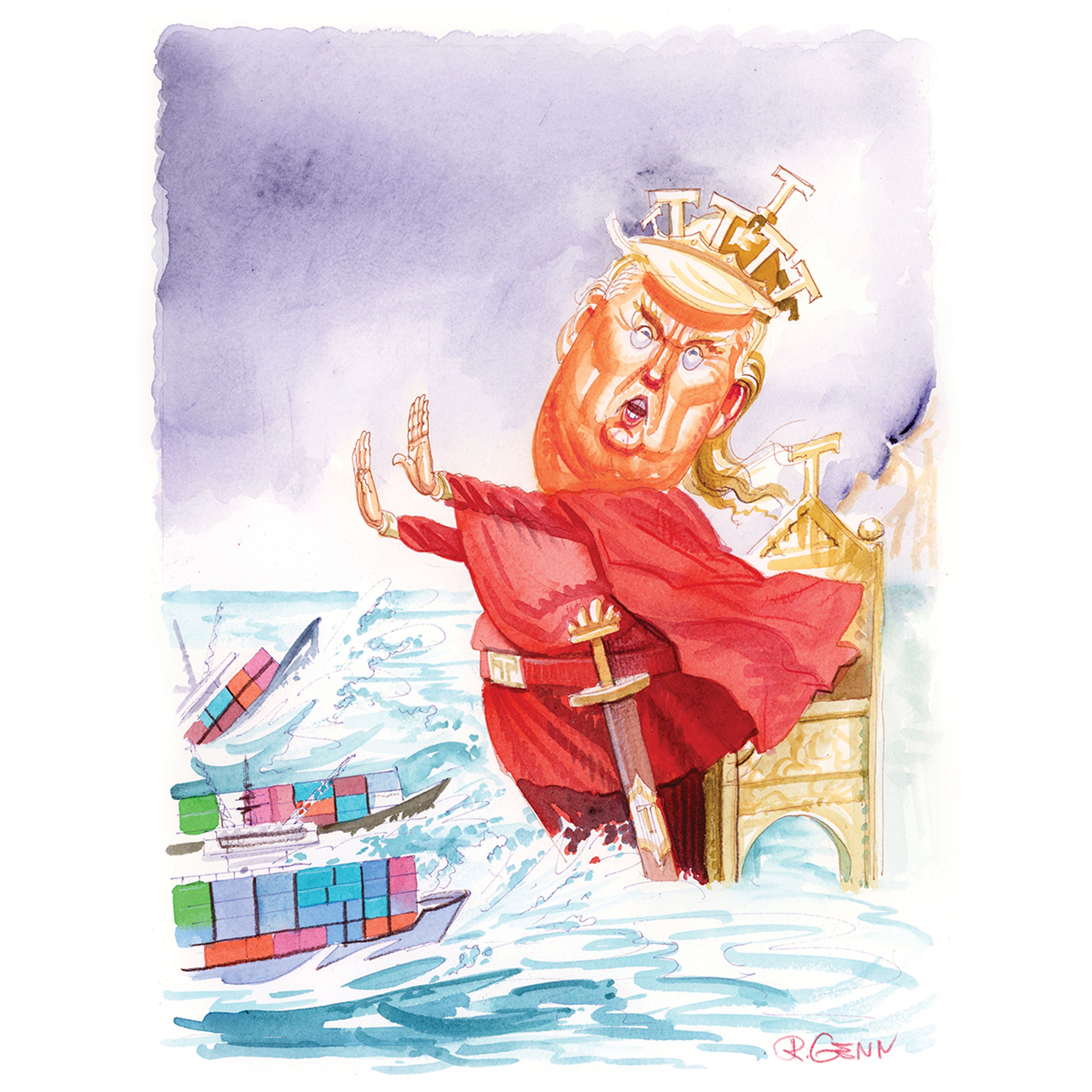
A current refrain in financial commentary is that tariffs — taxes on imported goods, paid by Americans — increase inflation. This is not technically accurate. Tariffs certainly raise the cost of items on which they are imposed. That is their design: Protectionists favor tariffs because they make foreign goods more expensive, driving people to buy domestic alternatives that are costlier to produce.
Yet tariffs cannot increase inflation, which does not mean higher prices on some things some of the time, but a sustained rise in the “general price level” of all goods and services across the economy. As Milton Friedman memorably explained, this sort of inflation is “always and everywhere a monetary phenomenon,” for a simple reason. Everyone in the economy cannot spend more money on everything at once, unless they have access to additional money.
We recognize this limit in our personal budgets. When the price of gasoline goes up, and you still need to fill your tank every week, you have less money available to spend on food, clothing, or movie tickets. You will have to cut back somewhere. The only way that you can spend more on everything you buy each month is if your income rises, so you have more money in your bank account.
This article is for Digital Content Access subscribers
Subscribe
About the Author
John R. Puri is the Thomas L. Rhodes Fellow at National Review.
Featured Tags
Advertisement
Advertisement

Comments