Protectionism Serves K Street and Hurts Main Street
Written by Rachel Greszler
The lobbying industry has exploded under Trump's tariff regime.
Share this story
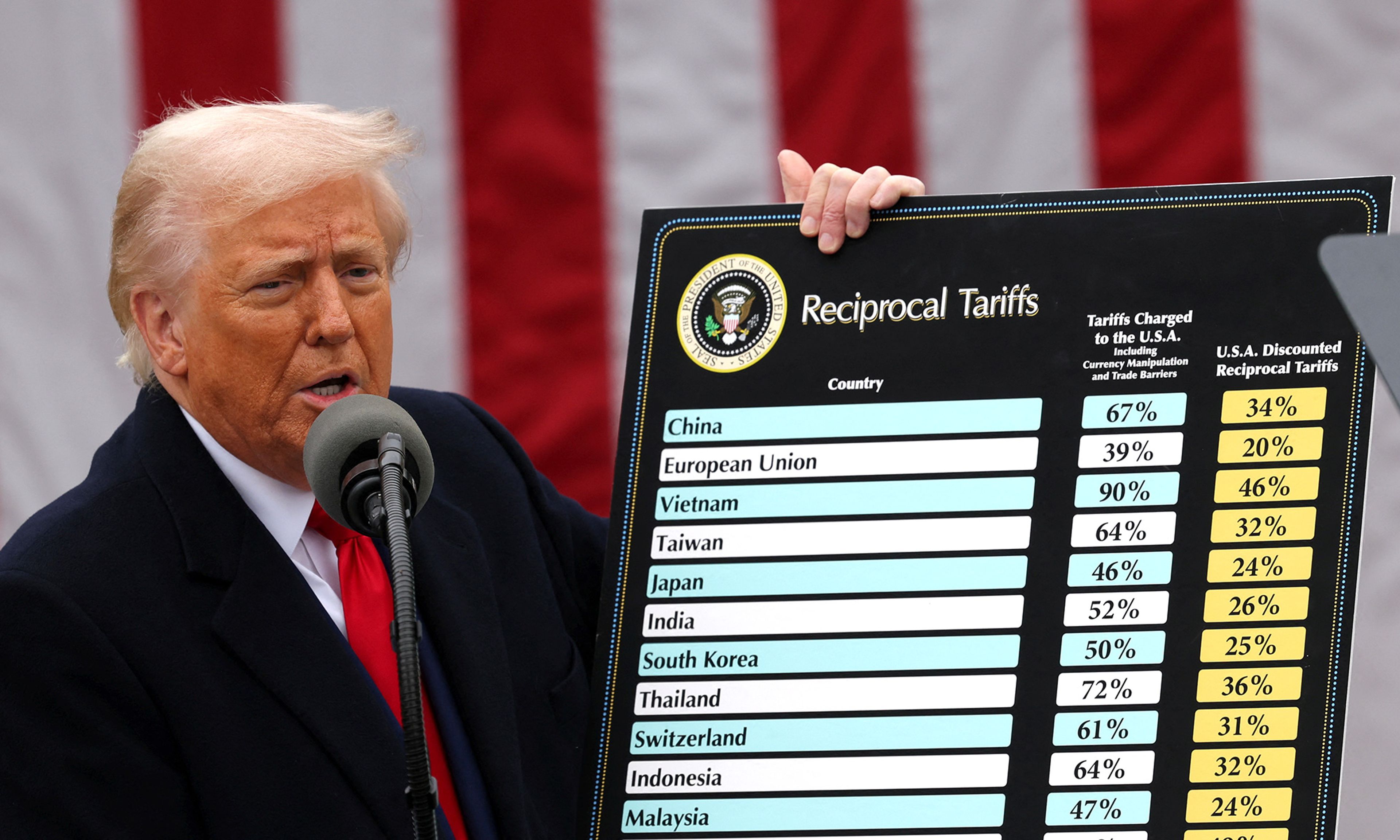
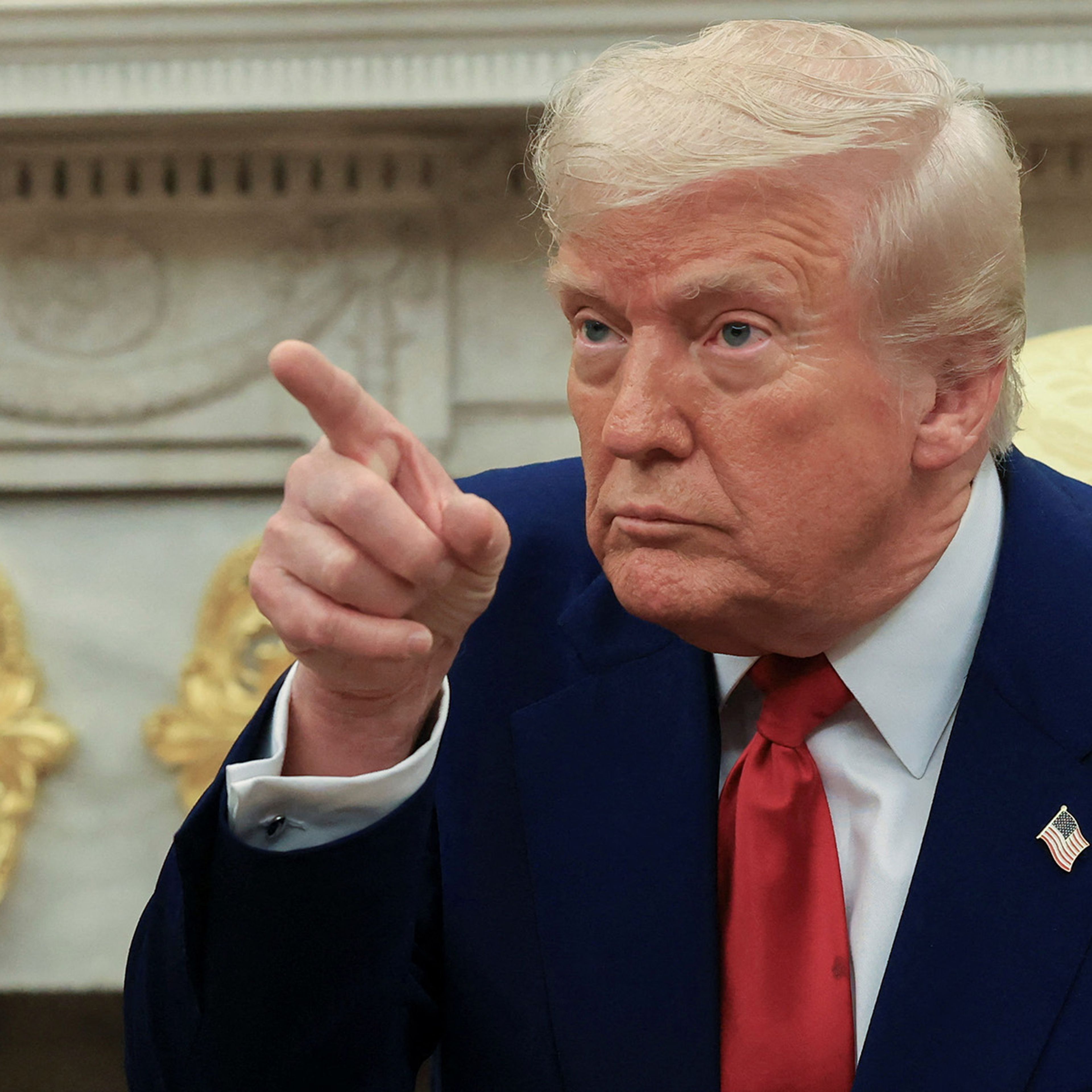
President Donald Trump delivers remarks on tariffs in the Rose Garden at the White House in Washington, D.C., April 2, 2025.
President Trump campaigned on draining the swamp, but his tariff policies have instead flooded the swamp with a nearly 500 percent increase in lobbying revenues tied to tariffs in the fourth quarter of 2025 compared with the fourth quarter of 2024. That increase relative to 2016 was nearly 1,600 percent.
At best, these lobbyists are advocating against tariffs that hurt their clients. At worst, they are advocating for tariffs that disproportionately harm their clients’ competitors. But in both cases, the increase in lobbying activity is a bad sign because the Trump administration said that its tariffs would help instead of hurt American companies and that tariff policies shouldn’t be for sale. This lobbying activity belies those assertions.
When it comes to economics, the government ought to provide a level playing field that encourages competition. Current tariff policies instead put American businesses at a disadvantage relative to their foreign competitors. And selective exemptions — often realized through swampy deals based on money and influence — pit American companies against one another. Instead of competing to offer lower prices, better quality, and new innovations, American companies are increasingly incentivized to lobby for policies that prop them up and push their competitors down.
But the lobbying playing field isn’t level either. While Big Tech, Big Pharma, and the Big Three automakers have benefitted from special tariff exemptions, small businesses like the family-owned FishUSA tackle company in Pennsylvania, the Vermont-based women’s cycling company Terry Precision Cycling, and Utah’s Genova Pipe plastic pipes and fitting manufacturer don’t have the time, money, or influence to acquire similar exemptions. Those small businesses are among five plaintiffs receiving pro-bono legal services to challenge the legality of the tariffs, with the Supreme Court’s decision in this consequential case expected sometime after the Court takes the bench again on February 20.
Meanwhile, as K Street thrives, Main Street pays. Tariff revenues exploded to nearly $290 billion in 2025, the equivalent of almost $2,200 for every American household. Foreign countries don’t pay tariff costs; American importers directly pay the tariffs and then pass the costs through to other American businesses and consumers through higher input costs, higher prices, and fewer jobs.
A February 2026 report from the Federal Reserve Bank of New York estimated that “nearly 90 percent of the tariffs’ economic burden fell on U.S. firms and consumers.” And the Congressional Budget Office’s February 2026 Economic and Budget Outlook said, “The net effect of tariffs is to raise U.S. consumer prices by the full portion of the cost of the tariffs borne domestically (95 percent).”
More than half of all U.S. imports are inputs — raw materials and machines — used to produce American-made goods and services. Consequently, manufacturers’ costs have increased 50 percent more than other producers’ costs since Trump announced his tariffs (a day which Trump proclaimed to be “Liberation Day”).
The result is higher prices for American-made goods and fewer manufacturing jobs. Since Liberation Day, the manufacturing sector has shed 72,000 jobs, while mining and logging have lost 19,000 jobs and transportation has shed 107,000 jobs. Manufacturing losses include 17,000 autoworker jobs, as U.S. auto sales have fallen 13 percent.
This didn’t have to be the case. In the first three months after President Trump took office again, the economy added 69,000 private sector jobs per month. Since then, and despite the passage of significant pro-growth tax cuts that boosted the economy, private sector job growth has fallen to just 45,000 per month.
Now, tariff proponents will argue that job gains and rising incomes will not be fully realized for a while, once the U.S. has reached a new normal. But one of the major problems with the tariffs has been persistent uncertainty. With constantly changing tariff rates and unexplained exemptions, companies don’t know their costs and are reluctant to plan for the future. Not surprisingly, job openings in December 2025 fell to the lowest level in more than five years.
Even with consistency and certainty, history — from Smoot–Hawley to the steel tariffs of the early 2000s — demonstrates that while tariffs may benefit a select few, they inevitably lead to fewer jobs, lower incomes, inferior products, and a smaller economy. That’s because the main driver of growth and innovation is competition, and tariffs stifle competition.
While it’s true that American jobs and American incomes are falling short of their potential, that’s not because the federal government hasn’t done enough to protect American businesses. It’s because federal taxes and regulations — such as manufacturing regulations that cost employers $29,000 per worker per year — have handicapped American businesses relative to their global competitors.
Instead of widespread tariffs and selective exemptions, policymakers should remove existing barriers to American job creation and income. Then, American businesses can focus on their Main Street workers and customers instead of their K Street special interests.

About the Author
Rachel Greszler is a Senior Fellow in Economics and Workforce in the Plymouth Institute for Free Enterprise at Advancing American Freedom.
Featured Tags
Advertisement
Advertisement
Comments