Test Handshakes and Humiliation: Beijing’s Play for Taiwan Becomes Clearer4
Written by Jianli Yang
Xi is pursuing unification not merely through military preparation — but also through calibrated political warfare.
Share this story
Last Tuesday, Taiwanese President Lai Ching-te, planning a visit to Taiwan’s sole African ally Eswatini, was abruptly informed that Seychelles, Madagascar, and Mauritius would deny overflight rights to his aircraft. The trip was then canceled — an unprecedented humiliation and major diplomatic setback for Taiwan.
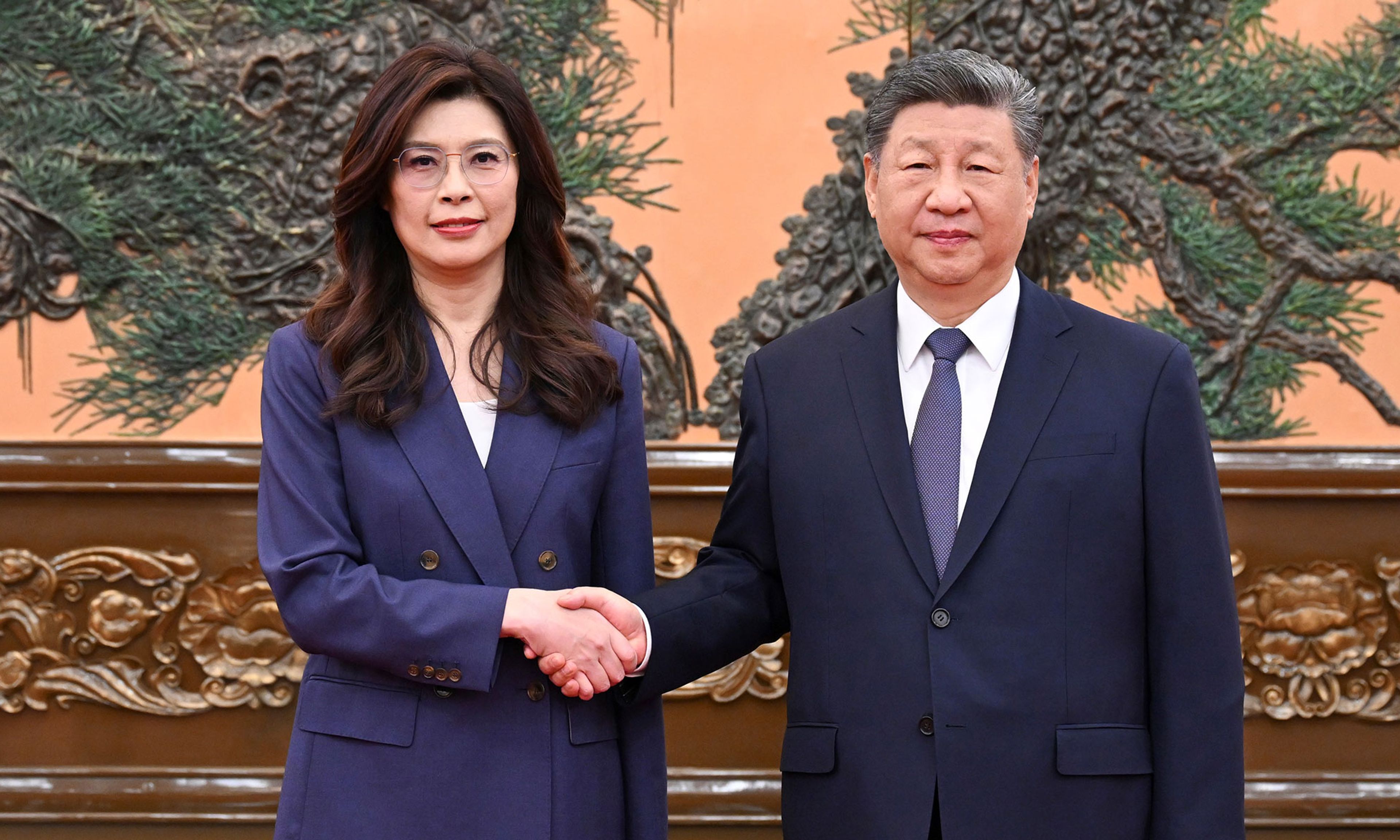
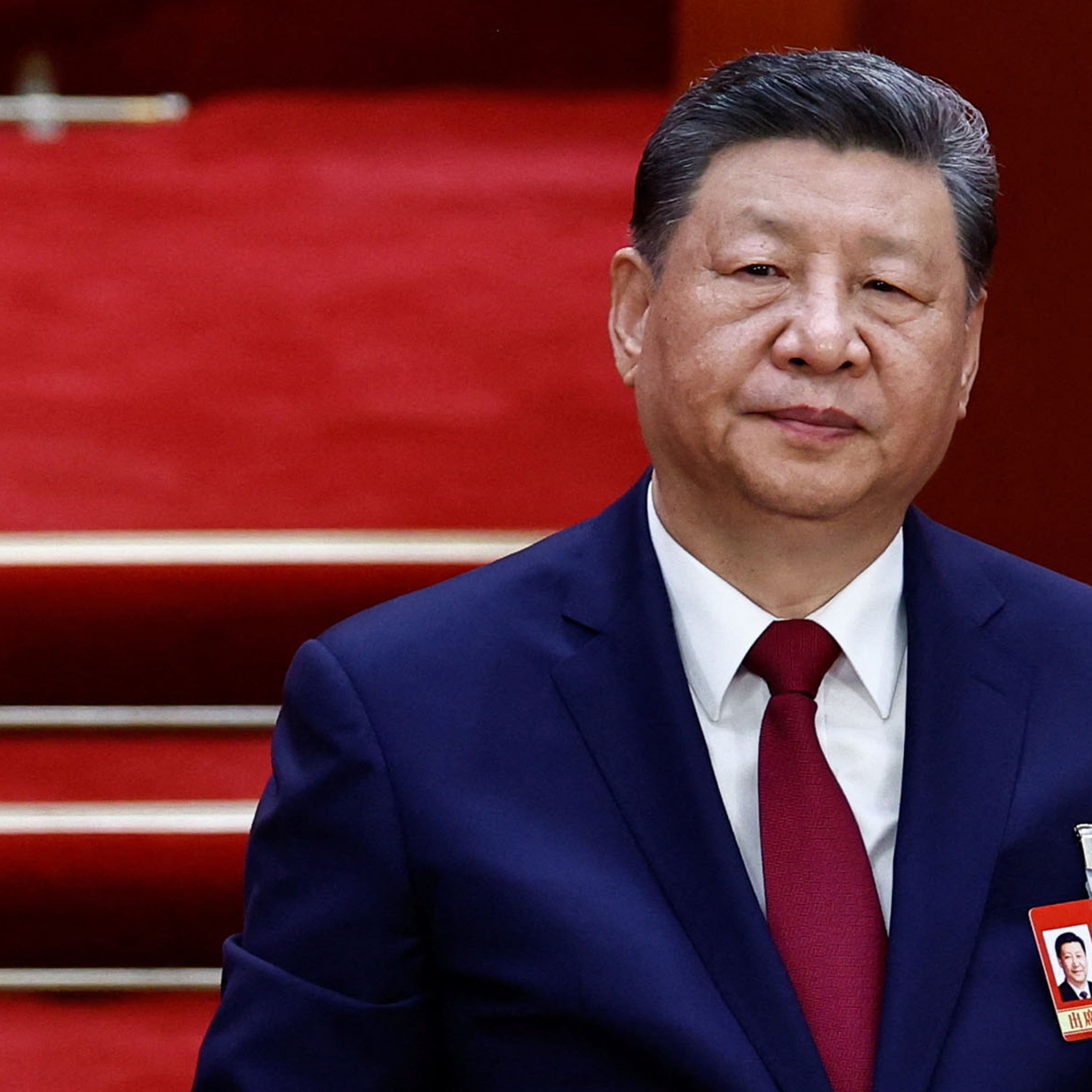
Everybody knows that Beijing was behind this latest stunt. What gives this episode its deeper strategic meaning, however, is its proximity to another major political development: the high-profile visit to Chinna by Cheng Li-wen, chair of Taiwan’s opposition Kuomintang (KMT) party. During her trip, Cheng met with Chinese Communist Party leader Xi Jinping in a summit that Beijing choreographed as a showcase of goodwill, stability, and opportunity. Chinese leadership rolled out what can only be described as a full-spectrum “peace offensive,” offering political respect, economic incentives, and a narrative of reduced tensions through dialogue.
The contrast between Lai’s humiliation and Xi’s handshake with Cheng is not coincidental. It represents the essence of Beijing’s strategy, one that reveals how the Chinese regime is pursuing unification not merely through military preparation, but also through calibrated political warfare aimed at reshaping Taiwan’s domestic politics ahead of the decisive 2028 presidential election.
This article is for Digital Content Access subscribers
Subscribe
About the Author
Jianli Yang is a research fellow at the Harvard Kennedy School of Government, a columnist for National Review, and the founder and president of Citizen Power Initiatives.
Featured Tags
Advertisement
Advertisement
Comments