We’re Not Off the Hook Regarding Nigeria
Written by Kathryn Jean Lopez
The persecuted deserve more from us.
Share this story
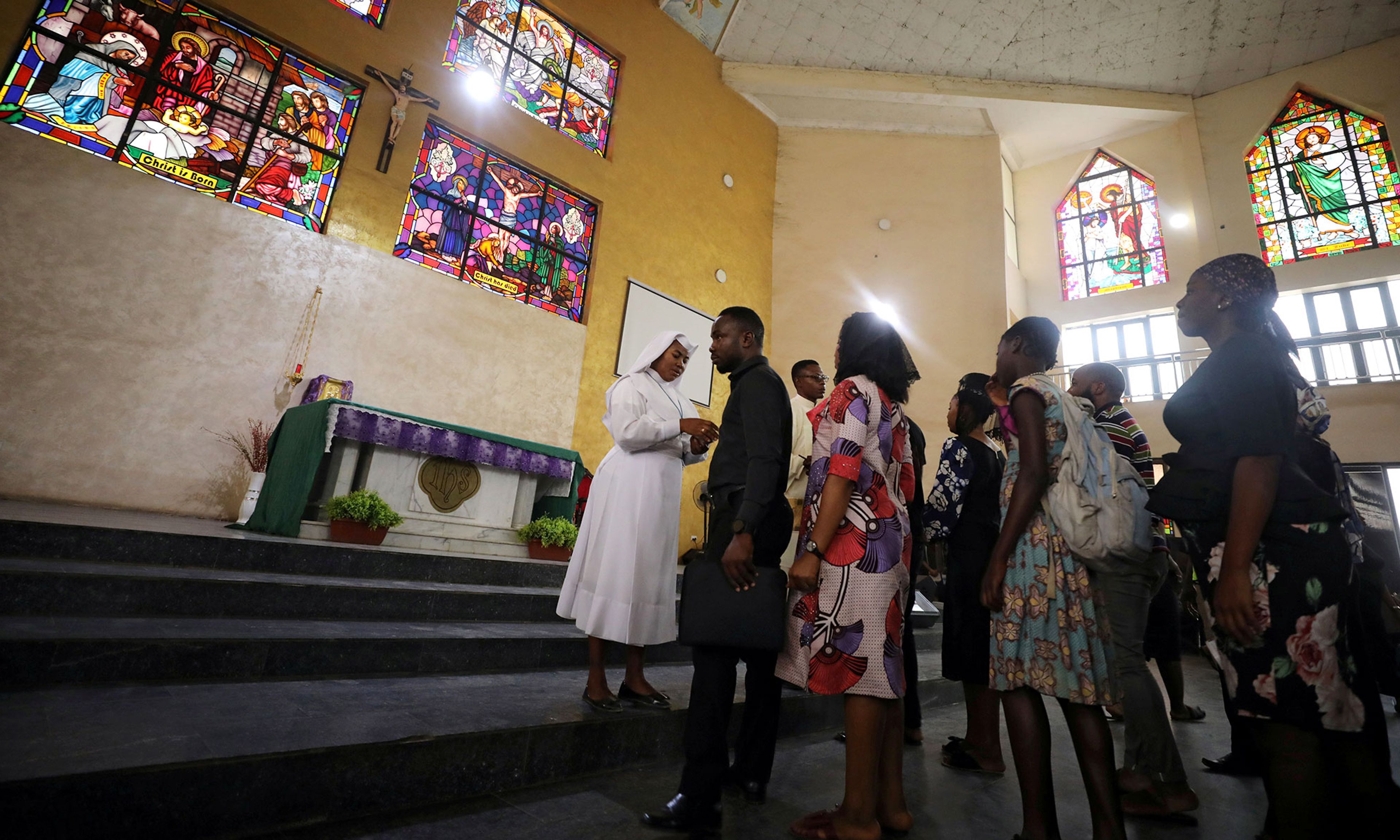
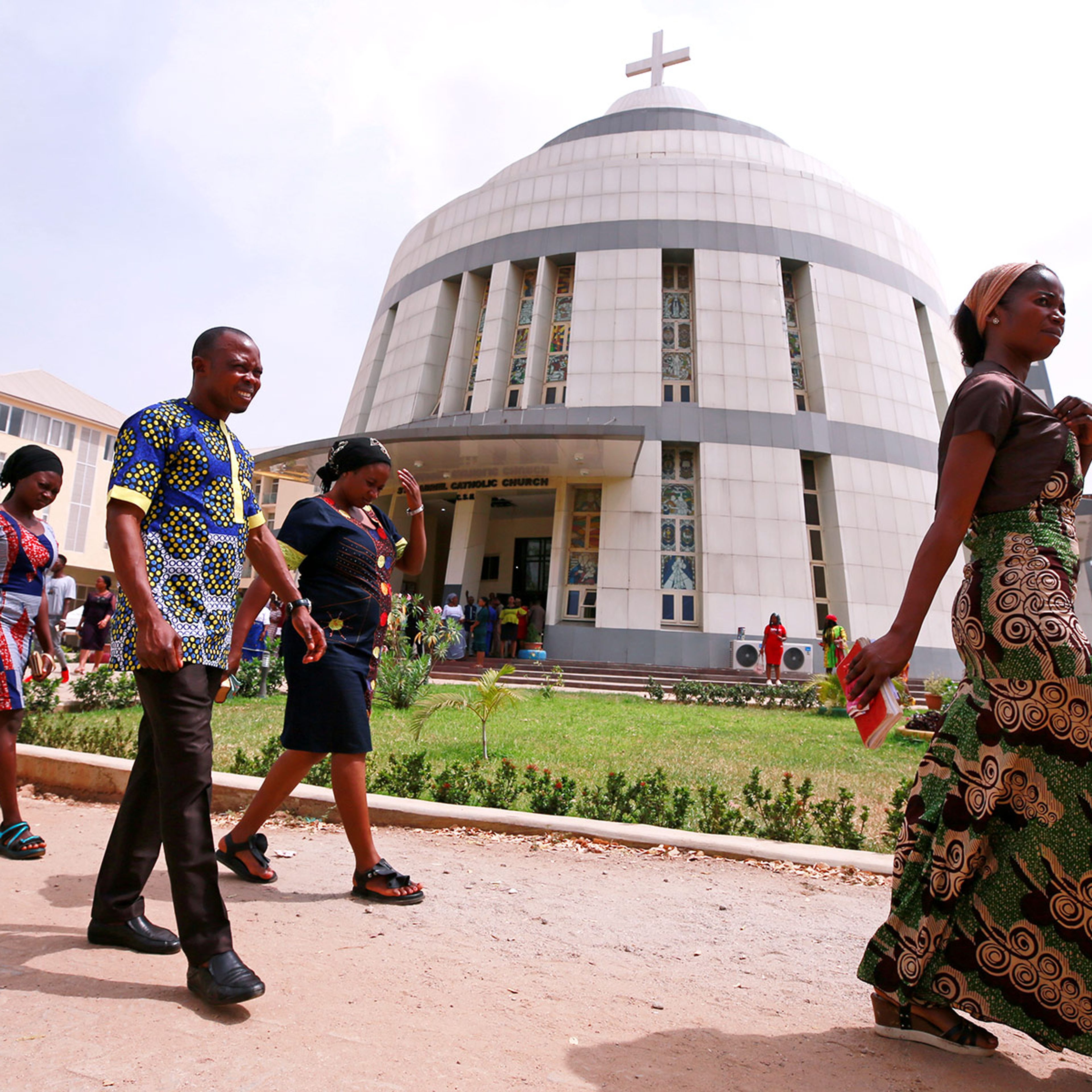
Catholics attend Ash Wednesday services in Abuja, Nigeria, in 2020.
‘You Americans — you can have a gift for complicating our lives.” I’m paraphrasing what Bishop Matthew Hassan Kukah, of the Catholic Diocese of Sokoto in Nigeria, said perhaps prophetically earlier this fall. “Designating my country, Nigeria, a Country of Concern will only make our work in the area of dialogue among religious leaders in our country and elsewhere with the Nigerian state even harder,” he said during an event of Aid to the Church in Need, one of the international leaders in ensuring that we do not forget Christians who are persecuted for their faith.
Nevertheless, earlier this month, the U.S. named Nigeria a “Country of Particular Concern.” The Biden administration had taken the country off this list in 2021. It was shocking and absurd at the time. Don’t get the bishop wrong. Christian persecution in Nigeria exists. To be a Catholic priest there means signing up for possible martyrdom. I had long advocated for our State Department to tell the truth once again and make the redesignation. Social media is flooded with reports of Christians being kidnapped or murdered simply for what they believe. But Bishop Kukah and his fellow clergymen had gotten used to the unhelpfulness of the U.S.
This was part of the reason for the bishop’s plea:
I do believe that today, acts of impunity still persist, but it is my view that re-designating Nigeria a Country of Concern will hurt the initiatives we are working on with the current government to collectively resolve the nagging problems of, first, the persecution of Christians and, of course, the larger issues of ending the mindless killings of our citizens. . . . It will only increase tensions, sow doubt, open windows of suspicion and fear and simply allow the criminals and perpetrators of violence to exploit. What Nigeria needs now is a more vigilance by the organisations such as the ACIN and civil society groups to continue to press for change and to deliberately work to end impunity.
We may or may not have made the work of the likes of Bishop Kukah more difficult. I’ve been having flashbacks to the genocide perpetrated by the Islamic State in Iraq a decade ago. In large part because of U.S. military intervention, the situation there was destabilized. The Christian minority in Iraq, whose members were already second-class citizens, became the target of homicidal maniacs who use their religion to justify the most vicious hate. Christians had to convert to Islam or die — or flee. I’ve been blessed to get to know Archbishop Bashar Warda of Erbil (near Kurdistan) and others there who stepped up to the plate to aid Catholics who had fled Mosul. The Catholic University in Erbil just celebrated its tenth anniversary. While way too many have fled the country since then, what has happened in Erbil — the presence of the faith there goes back to apostolic times — is nothing short of miraculous. And the people of the beatitudes, at their best, look out for even more beleaguered minorities. The Yazidis, in the Iraqi case, were cared for by Christian doctors; they were housed, fed, and ministered to in their trauma.
As I write, another news story about Christians in Nigeria is developing. For those of you who pray, please pray for the abducted children and teachers in Nigeria’s State of Niger. Though I’m not sure the U.S. government can do much, we should at least take a look at what we are doing here, at home. Religious liberty is not just about one’s own tribe. I recently spoke with some Jewish friends on Capitol Hill who asked me what is going on with Catholics. Tucker Carlson interviews a dude who says that Hitler was cool, among other things, and young twentysomething men to whom Jewish women are exposed in their daily lives are defending his right to do so. Yes, free speech is critical. But it’s not Christianity if it does not look out for one’s neighbor.
It is good that, as a nation, we are telling the truth once again about what is happening in Nigeria. But we’re not off the hook. Believers, nonbelievers, all need to commit to protecting the first freedom. Remember that as we prepare to celebrate Christmas. Remember that as we witness the latest horror suffered by the people of Nigeria. They are in it for the long haul. We must be, too.
This column is based on one available through Andrews McMeel Universal’s Newspaper Enterprise Association.
About the Author
Kathryn Jean Lopez is a senior fellow at the National Review Institute and the religion editor of National Review. Sign up for her weekly newsletter here. She is the author of A Year with the Mystics: Visionary Wisdom for Daily Living.
Featured Tags
Advertisement
Advertisement

Comments