Why State Courts Should Not Set National Energy Policy
Written by John Yoo
Judges are improperly turning courts into bastions of climate activism.
Share this story
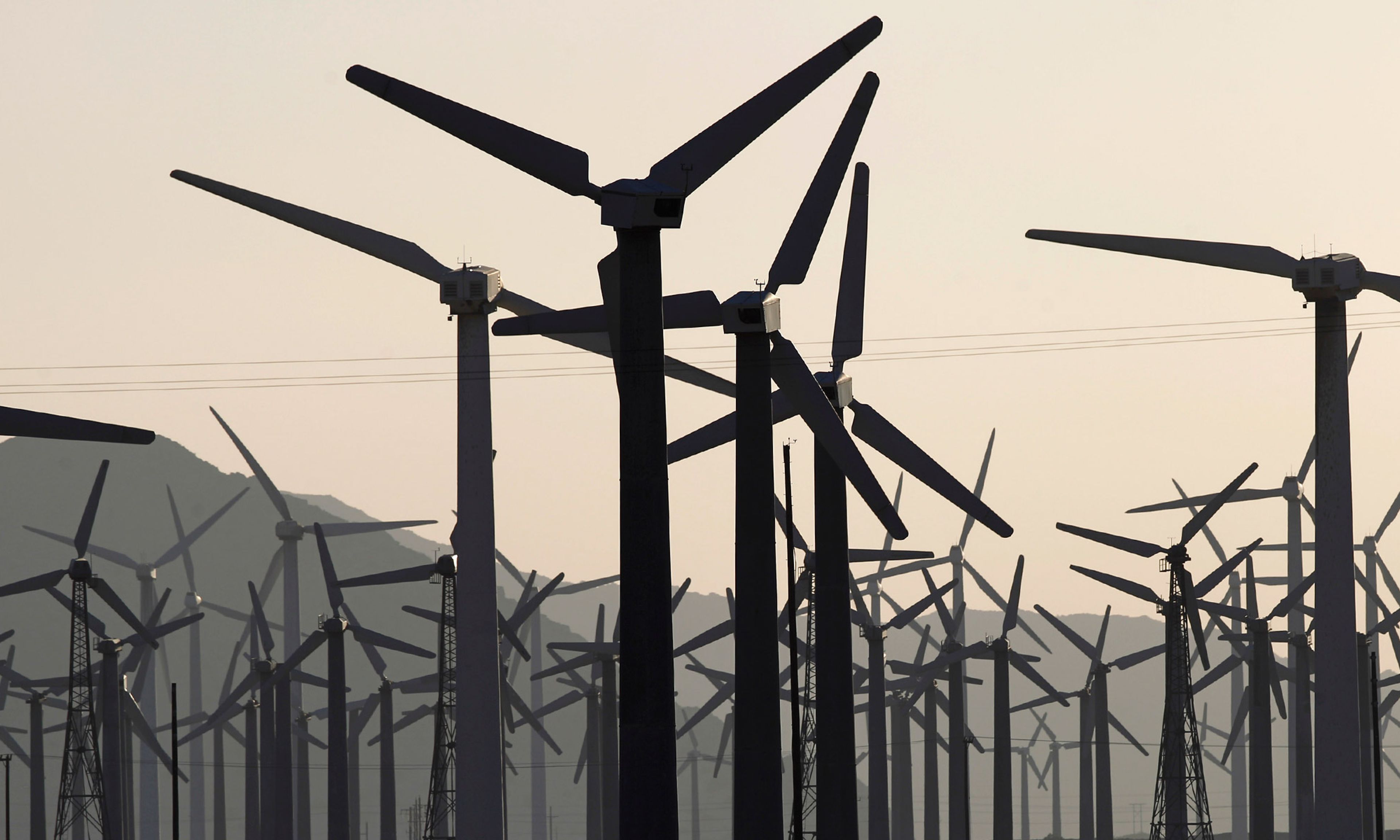
Wind turbines in Desert Hot Springs, Calif., in 2011.
The Framers of our Constitution never intended for officials in Boulder, Colo., or any city, to set the energy and climate policy for the entire nation. The Supreme Court may have a chance to bolster the principle of federal supremacy over truly nationwide problems in a case pending for review, Suncor Energy Inc. v. Boulder.
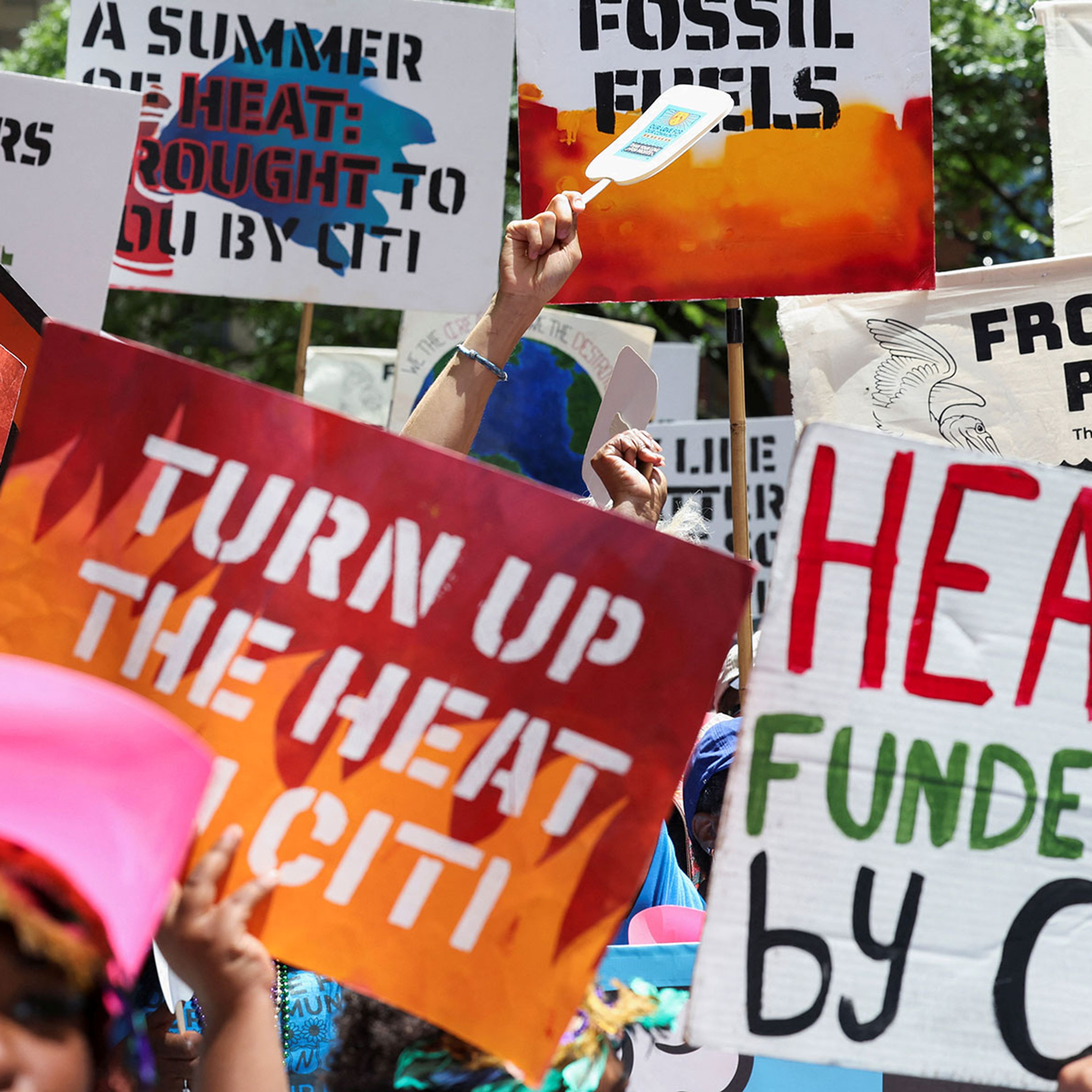
Boulder’s lawsuit uses tort law — a body of state-made law that addresses accidents and noncriminal harms — to reshape national energy policy. After failing to push sweeping Green New Deal–style mandates through Congress, climate activists have turned their efforts toward the judicial system. Dozens of states and cities have filed copycat lawsuits that incredibly claim that energy companies have sold their product to unwitting consumers without disclosing the harms of climate change. These flimsy claims tempt judges into indulging their personal political preferences and imposing restrictions on energy that the political system has already rejected. This is not the proper use of the courts, but an effort to use the judiciary to sidestep public debate and democratic checks and balances.
At a recent Federalist Society panel discussion, Boulder’s own lawyer, David Bookbinder, revealed the true intentions behind this effort. He admitted that the lawsuits are designed to create “an indirect carbon tax” that would fall on consumers across the country. He even acknowledged that success in these cases could bankrupt major energy producers and allow local governments to take control of their assets. These lawsuits will do little to compensate communities for any real harms and instead reorder a central sector of the economy through judicial decree.
That approach runs headlong into the Constitution and the American political system. National energy and environmental policy decisions rest with Congress and the executive branch, not 50 separate state courts applying different versions of state law. The Supreme Court already made this clear in American Electric Power Co. v. Connecticut, which ruled that the Clean Air Act assigns the authority to regulate greenhouse gases to federal agencies and not to the courts. The same logic applies here: No single city or state can direct policy on a global issue like climate change when Congress has already decided to oust states from the field in favor of the Clean Air Act.
The legal theory behind these cases strays far from traditional tort law. Following their logic, anyone can bring similar claims, not just state or local governments. In Washington State, for instance, energy companies now face a wrongful death lawsuit over the alleged heat-related death of a woman in Seattle. The plaintiffs argue that fossil fuel use contributed to a heat wave responsible for her death. This pushes tort law far beyond recognition.
Boulder wants to hold a few energy companies liable for the combined effects of more than a century of fossil fuel use around the world. There is no limit to who might be sued next. Automakers, airlines, farmers, and even tech companies could all find themselves in court for contributing to climate change. The result would be a patchwork of conflicting rulings that replace clear national policy with judicial improvisation. Businesses and consumers will pay the price.
Allowing state judges and plaintiffs’ lawyers to set national policy would destabilize the energy sector and upset the constitutional balance between the federal and state governments. The Constitution vests in Congress the authority to regulate interstate commerce, including carbon emissions. Congress provides a forum for our elected representatives to debate and deliberate over national policy. The Constitution does not provide a role for state courts to dictate the nation’s policy on a global environmental problem. If the Supreme Court were to allow Boulder’s lawsuit, it would allow these state judges to blur the line between the legislature and judiciary in violation of the separation of powers and erode both federalism and democratic accountability.
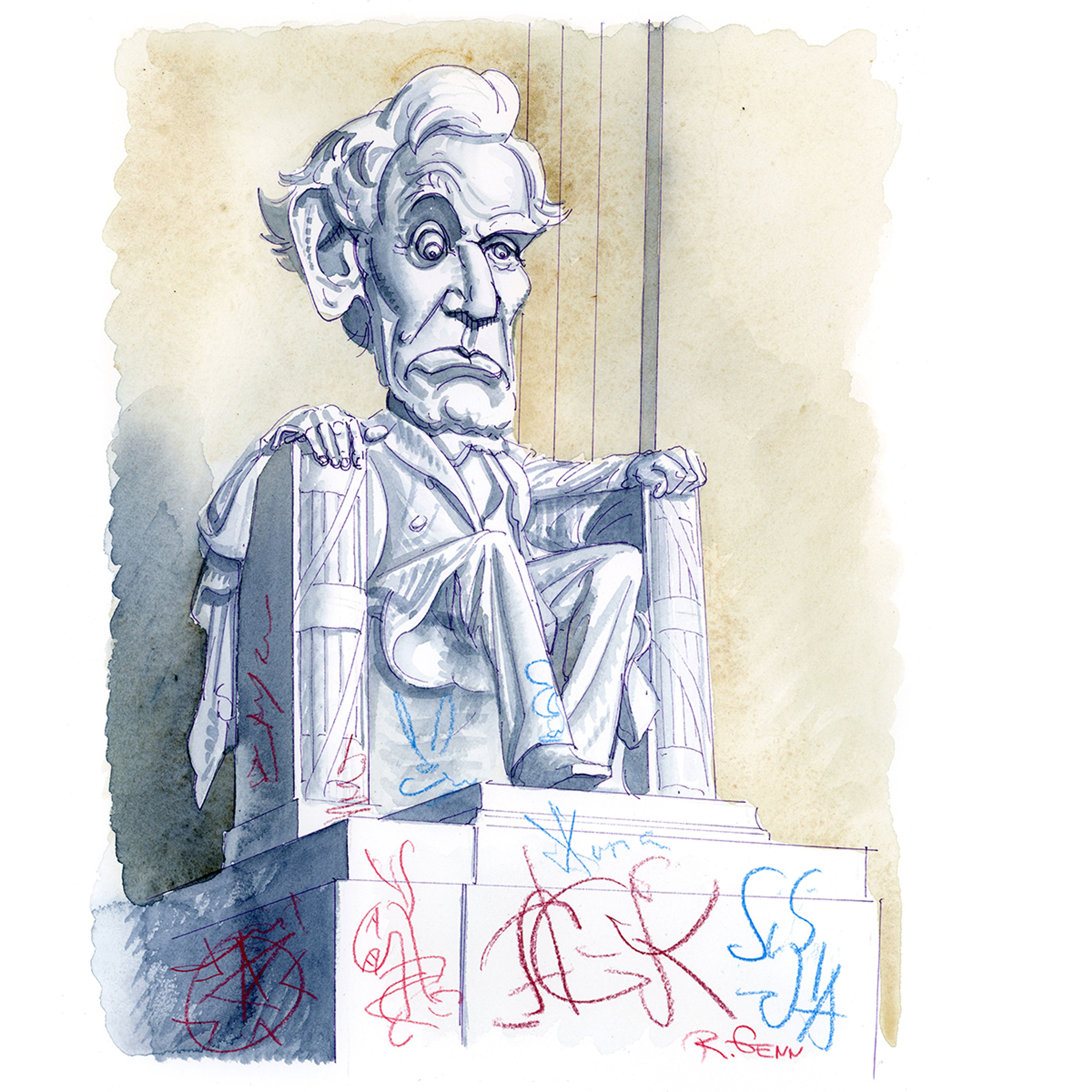
Maryland’s Judge Videtta Brown captured it best in her dismissal of Baltimore’s climate lawsuit. She said these cases are “simply a way to get in the back door what they cannot get in the front door” of Congress. Boulder’s case follows that same path, attempting to use the courts to impose political goals that voters and legislators have declined to adopt.
The Supreme Court should grant review and reaffirm basic constitutional principles. National energy policy must be set by the federal government, not by state courts pursuing ideological causes through creative litigation.

About the Author
John Yoo is Heller Professor of Law at the University of California, Berkeley; distinguished visiting scholar at the School of Civic Leadership and a senior research fellow at the Civitas Institute at the University of Texas at Austin; and a nonresident senior fellow at the American Enterprise Institute.
Featured Tags
Advertisement
Advertisement


Comments