Suing the Pope? An Aggressive Class Action Presents First Amendment Problems
Written by Lael Weinberger & Branton Nestor
Share this story
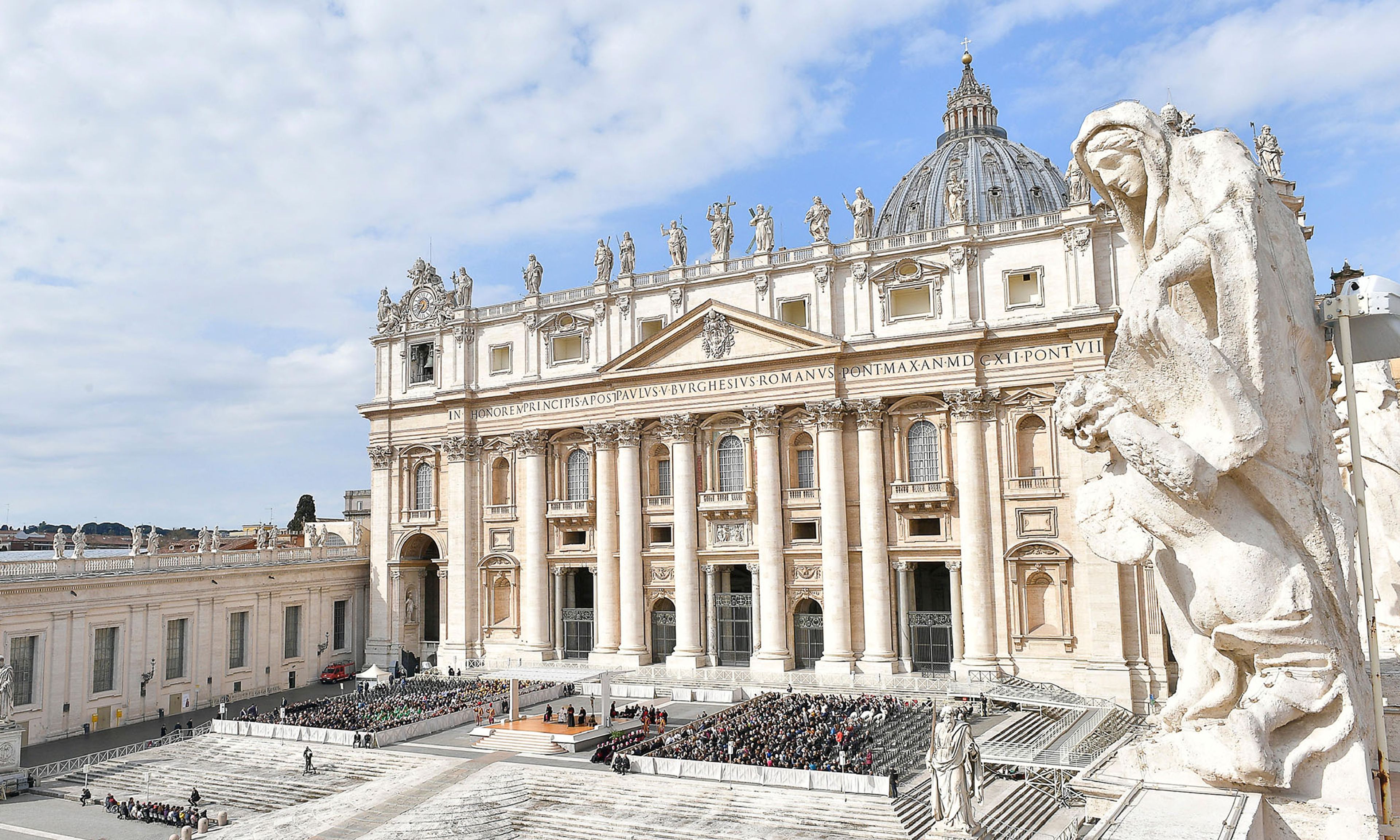
St. Peter's Square at the Vatican
Litigation working its way through the federal courts seeks judicially ordered refunds of millions of donations made to the church. If successful, this lawsuit would be a massive and aggressive deployment of the courts into the internal affairs of a major religious body. Such an intrusion poses serious First Amendment problems. The class action proceedings promise to be lengthy and potentially intrusive into the affairs of the church — unless a court puts on the brakes. So far, none has. Now, the Supreme Court has the opportunity to take the case and provide much-needed clarity to this situation.
The First Amendment provides protection for the free exercise of religion and prohibition against the establishment of religion. American courts have long recognized that these two clauses together prohibit the government — including civil courts — from deciding matters of the internal governance, doctrine, and practice of religious bodies. The courts call this principle the church autonomy doctrine.
The class action, O’Connell v. Conference of Catholic Bishops, threatens to violate the Constitution’s church autonomy principle. The lawsuit started several years ago with Peter’s Pence, a special collection that since the Middle Ages has been taken up by the Roman Catholic Church. It goes directly to the papacy to support the projects and activities of the pope. Lead plaintiff David O’Connell donated to the Peter’s Pence collection after being invited to make the offering during Mass. But he now complains that he was misled. He says that he thought that the church was going to use this for charitable purposes, which he understood to be direct aid to the needy. Only later, he says, did he learn that a substantial part of the Peter’s Pence collection went into long-term investments and supported church infrastructure. And so he decided that he would seek the return of his money by bringing a lawsuit, claiming that he was deceived into thinking that his donations supported charity.
The case was filed in federal court seeking the recovery not only of O’Connell’s donations, but all donations from a class of people who also claimed to be confused about the uses to which Peter’s Pence donations would be put. This class action lawsuit was aggressive; it was creative, but the church thought that it had a strong counter-argument: the church autonomy doctrine. If a court is to decide what counts as a charitable contribution, it would have to take positions on matters of church doctrine and governance. It would have to second-guess the internal decision-making of church leadership on how best to utilize the funds of the Roman Catholic Church and of the papacy in particular.
There will, of course, be room for difference among reasonable people on how to use charitable funds. Some will prioritize immediate aid to the needy; others might allocate more to long-term infrastructure for long-term service to spiritual and physical needs. There will always be disagreements here. The problem comes with the idea that federal courts are the right ones to decide.
Despite the risks to religious freedom, the federal district court declined to dismiss the case when the First Amendment arguments were raised at the beginning of the case. At this point, the church thought, reasonably enough, that it might find relief in the court of appeals, so it asked the federal appellate court to consider its First Amendment arguments.
This is where the church ran into procedural complications, challenging for lawyers to sort out, but nonetheless important for the protection of religious liberty. Courts normally don’t like to hear appeals until the whole case is done. This is sensible: Early appeals slow down litigation.
But there are a handful of important issues that can come up during litigation that, once decided, can’t be undone or fixed if the court waits until the end of the litigation. Courts have doctrines that permit early appeal of these exceptional issues.
There’s a strong argument that review of the district court’s denial of First Amendment protections here is important enough, and with dramatic enough consequences during the litigation itself, that it is deserving of immediate review. If the First Amendment issue is not decided early in the case, the courts will enmesh themselves ever more deeply in the internal affairs of the church as the litigation progresses. That involvement itself can cause First Amendment harms — the kind that can’t be undone by waiting for an appeal at the end of the litigation.
So far, the church has been unsuccessful on appeal. The D.C. Circuit rejected its First Amendment arguments. Several other courts across the country have encountered similar questions about appellate review for church autonomy decisions in recent years. Federal judges have divided on this issue. Churches have lost in a series of cases, but the votes have been close, and a “chorus of circuit-court dissenters” have made a powerful case that appellate review is necessary to protect religious liberty.
The Supreme Court often waits to take a case about disputed matters in the lower courts until several courts have had the chance to weigh in. It's now impossible to deny that several courts have indeed weighed in. The luck of the draw of which judges sat on the panels has led to a series of losses for churches and religious bodies. But the issues on each side have been argued at great length in dueling opinions in the lower courts. In our latest academic article, we argue that these important First Amendment issues regarding religious institutions ought to receive early appellate review. This is the best way to make sense of the Supreme Court’s existing precedents on both church autonomy and on the often complex and contested issue of when to allow an appeal. It best protects religious institutions from improper interference by civil courts. And it best prevents civil courts from becoming enmeshed in religious disputes — and supervising religious bodies in religious matters.
The case now appearing on the Supreme Court’s docket presents the Court with an opportunity to answer the questions that have divided judges over the last few years and, in the process, provide appropriate protection for First Amendment values.
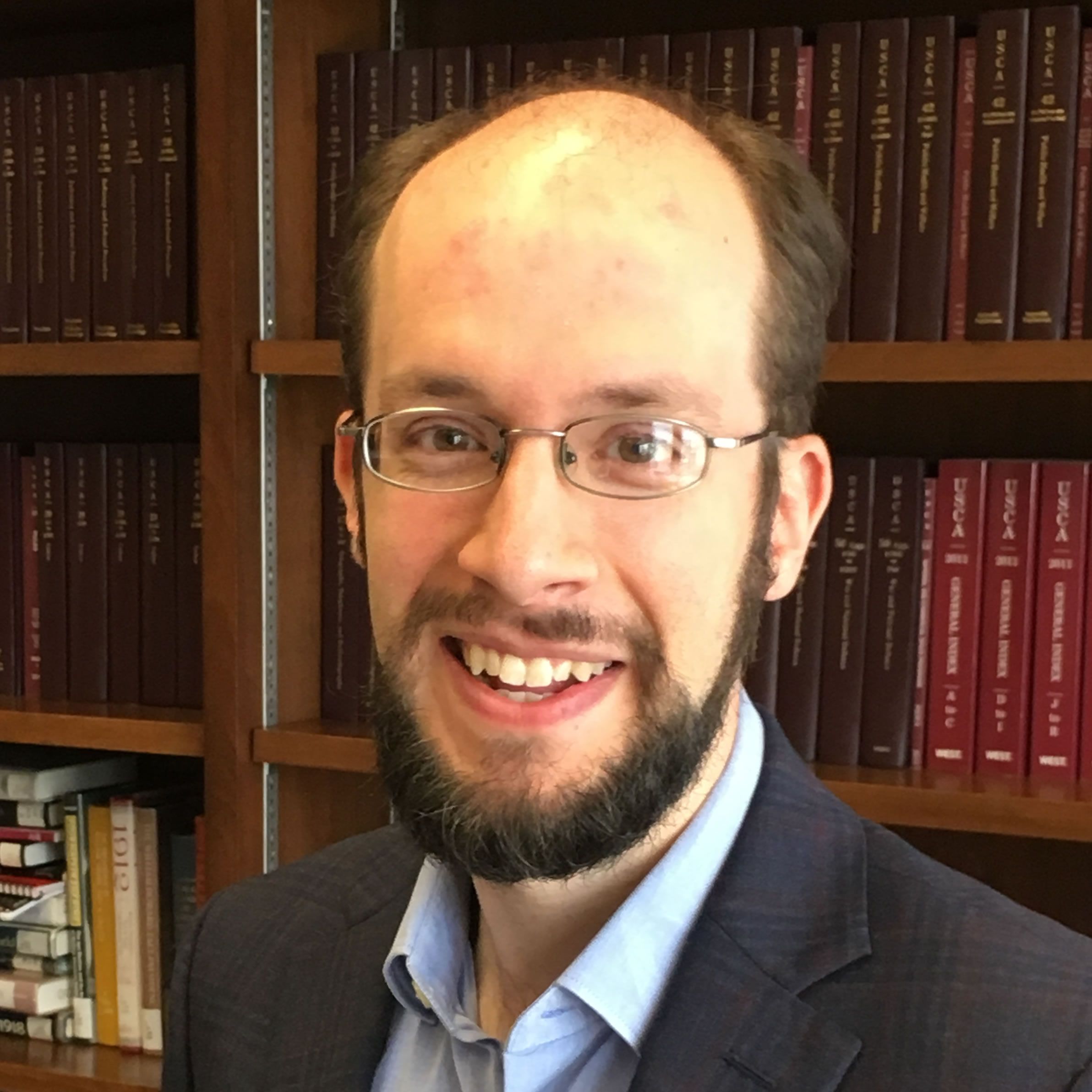
Lael Weinberger is a law professor at George Mason University. Branton Nestor is an attorney and a fellow at the Stanford Constitutional Law Center. They have filed amicus briefs supporting the Catholic bishops.
About the Author
Lael Weinberger is a law professor at George Mason University.
About the Author
Branton Nestor is an attorney and a fellow at the Stanford Constitutional Law Center.
Featured Tags
Advertisement
Advertisement

Comments