New Bipartisan Super PAC Network Aims to Put the Brakes on AI, Counter Big Tech Spending Spree
Written by James Lynch
Share this story
Greggory DiSalvo/iStock/Getty Images
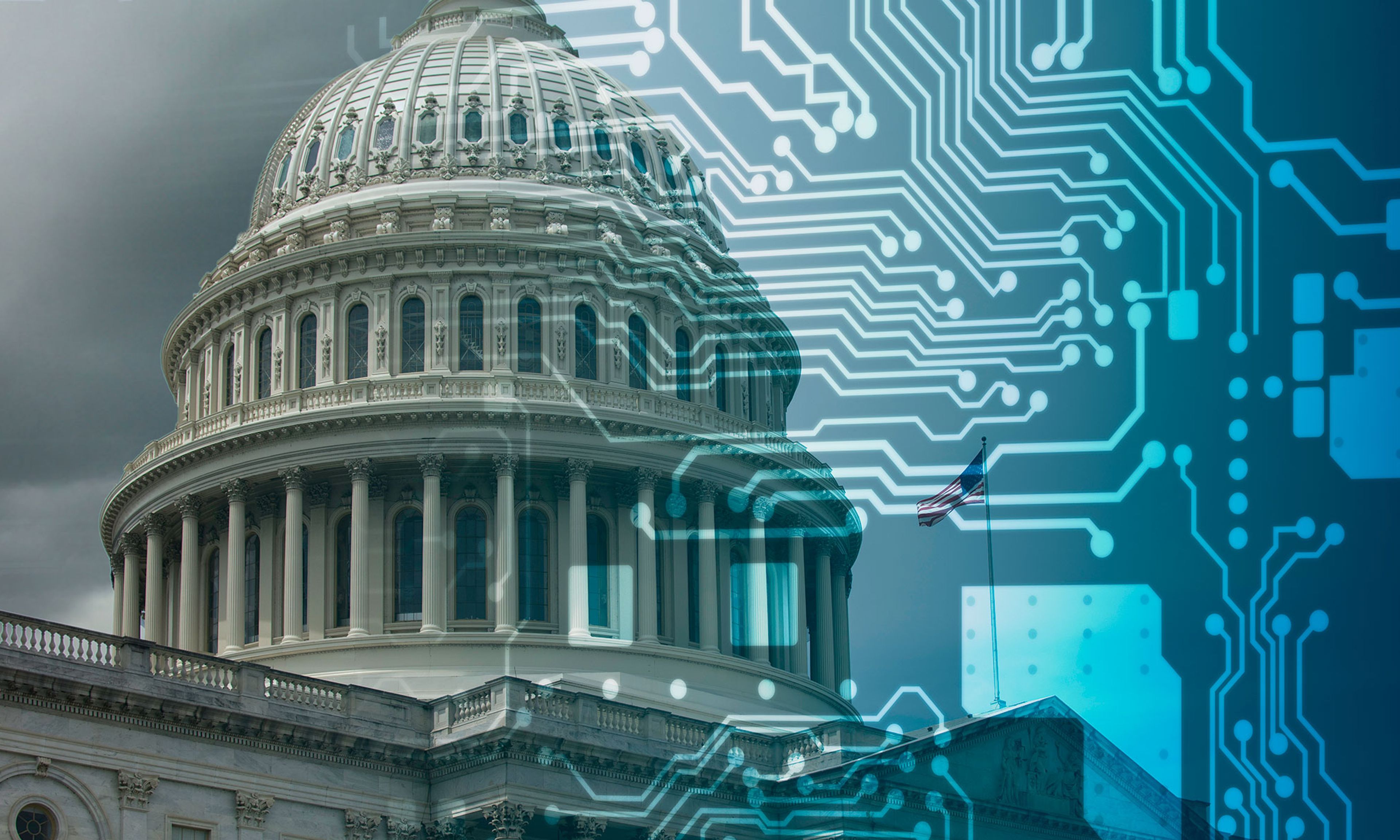
Two former congressmen are launching a set of bipartisan Super PACs to promote artificial intelligence safeguards and support candidates aligned with their regulatory policy vision.
Former Representatives Chris Stewart (R., Utah) and Brad Carson (D., Okla.) announced Tuesday the formation of a new political vehicle, Public First, and two Super PACs, to advance AI safety and counter the tech industry's $100 million spending blitz against baseline AI regulations.
"This isn’t a partisan issue – it’s about whether we’ll have meaningful oversight of the most powerful technology ever created," Stewart said in a statement.
"We’ve seen what happens when government fails to act on other emerging technologies. With AI, the stakes are enormous, and we can’t afford to make the same missteps."
Public First will have one Democratic and one Republican Super PAC to support preferred candidates. Stewart and Carson expect to raise $50 million for the operation. The New York Times first reported on Public First's creation.
"Polling consistently shows significant public concern about AI and overwhelming voter support for guardrails that protect people from harm and mitigate major risks," Carson said.
"We’re building a coalition that puts the public interest first and ensures that AI innovations benefit all Americans while guarding against risks to our children, jobs, national security, and humanity," he added.
Carson is also president of pro-AI regulation group Americans for Responsible Innovation. Stewart chairs the AI and emerging tech team at the America First Policy Institute, a MAGA-aligned think tank.
Putting the Super PACs underneath the political organization will prevent Public First from having to disclose donors. Executives and employees from Anthropic could potentially put money into Public First, according to the Times. Anthropic is an AI company created by former Open AI employees who support increased industry safety measures.
Public First's fundraising goal is half of what pro-industry group Leading the Future raised from donors, including venture capital firm Andreessen Horowitz and Palantir co-founder Joe Lonsdale. The eye-popping spending totals suggest that AI companies and their opponents will play major roles in the midterm elections next year. AI policy is already a hot topic in Washington, D.C., where the political coalitions are scrambled instead of falling under the typical partisan umbrellas.
Leading the Future launched this week a $10 million advocacy campaign for Congress to pass legislation creating a federal standard for AI regulation that overrides state laws.
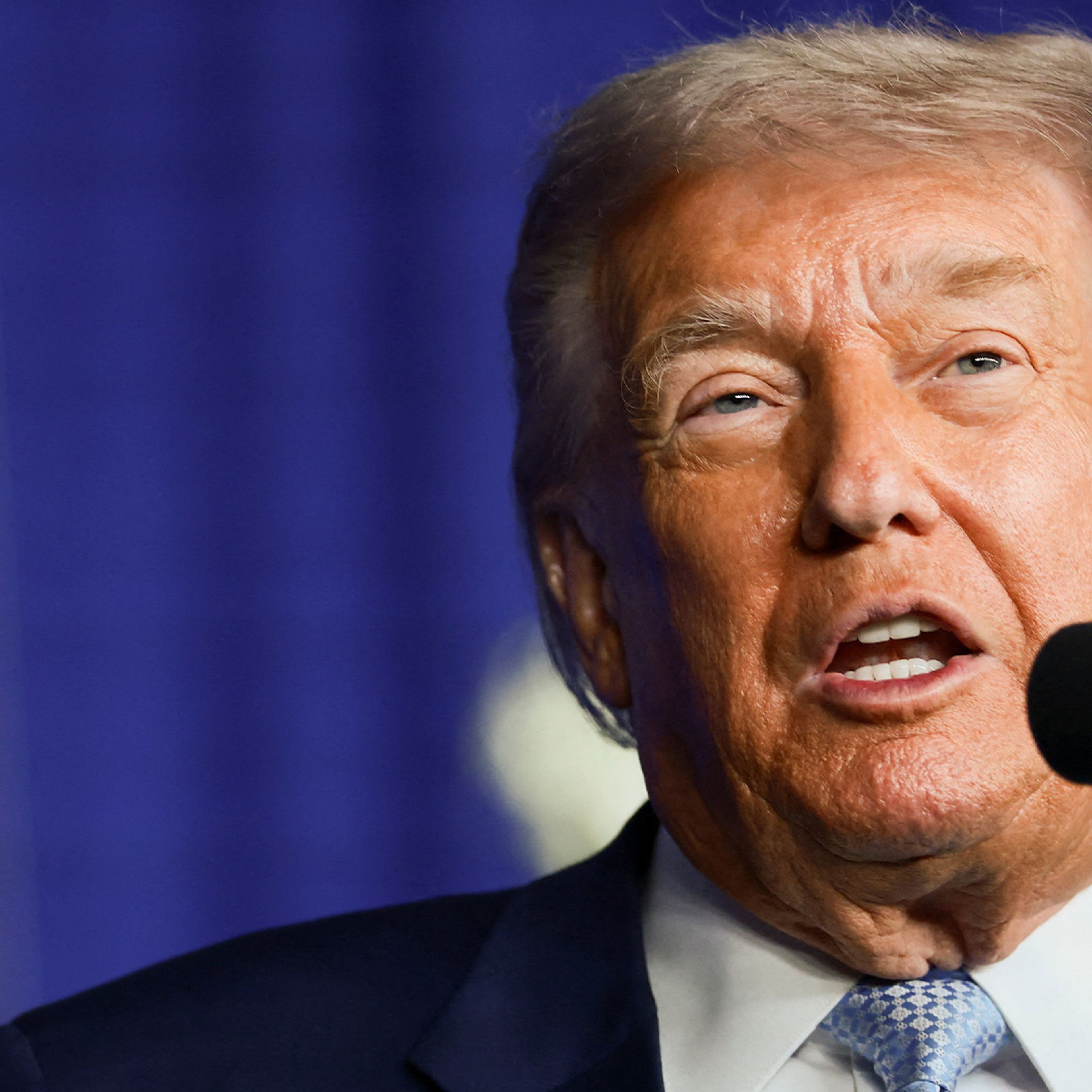
President Trump backed the idea last week after House Majority Leader Steve Scalise (R., La.) floated the possibility of including it in the must-pass National Defense Authorization Act, annual legislation that funds the Pentagon. Trump's statement drew praise from industry leaders and policymakers who support a lighter regulatory approach to AI in order to unleash innovation. AI safety advocates criticized Trump's stance, accusing him of prioritizing the interests of big tech companies over child safety.
Days later, the Trump administration drafted an executive order that would create a task force for challenging state AI regulations and restrict federal funding for states with "onerous" AI laws. House leaders urged the Trump administration to hold off on the executive order after it was leaked and widely reported, according to Punchbowl News.
The renewed push for a moratorium on state AI regulation and Trump's executive order drew strong pushback from congressional lawmakers and governors of both parties. Staunchly conservative governors Ron DeSantis (R., Fla.) and Sarah Huckabee Sanders (R., Ark.) were among the elected officials to criticize the possibility of Congress jamming an AI regulatory pre-emption into the NDAA.
Senator Ted Cruz (R., Texas) attempted to include a moratorium on state AI regulation inside the GOP's budget megabill passed over the summer. Cruz's pushed failed when the Senate voted 99-1 to strip the moratorium from the megabill after Senator Marsha Blackburn (R., Tenn.) led bipartisan opposition to it.
Unlike Cruz's proposal, the Trump-endorsed legislation to prevent states from regulating AI would have comprehensive federal guidelines attached. The specifics of the federal regulatory framework remain unclear. Advocates for a federal regulatory framework believe AI's technological scale and economic impact necessitate a singular standard rather than a complex web of state guidelines.
The regulatory pre-emption remains politically unpopular. A poll taken by the conservative Institute for Family Studies last week found that 57 percent of Americans oppose the AI pre-emption in the NDAA, compared to 19 percent who support it and 24 percent who are unsure. The overwhelming results are similar to the institute's polling in June on Cruz's failed legislation.
Public First opposes congressional efforts to prevent states and localities from regulating AI without strong federal safeguards in place. Public First's initial priorities are AI safeguards, U.S. export controls on major chips, transparency from leading AI research labs, and risk mitigation.
About the Author
James Lynch is a news writer for National Review. He previously was a reporter for the Daily Caller. He is a graduate of the University of Notre Dame and based in the Washington, D.C. area.
Featured Tags
Advertisement
Advertisement
Comments