Judge on Comey Disqualification Motion Orders Prosecutor to Produce Grand Jury Proceedings She Withheld
Written by Andrew C. McCarthy
Share this story
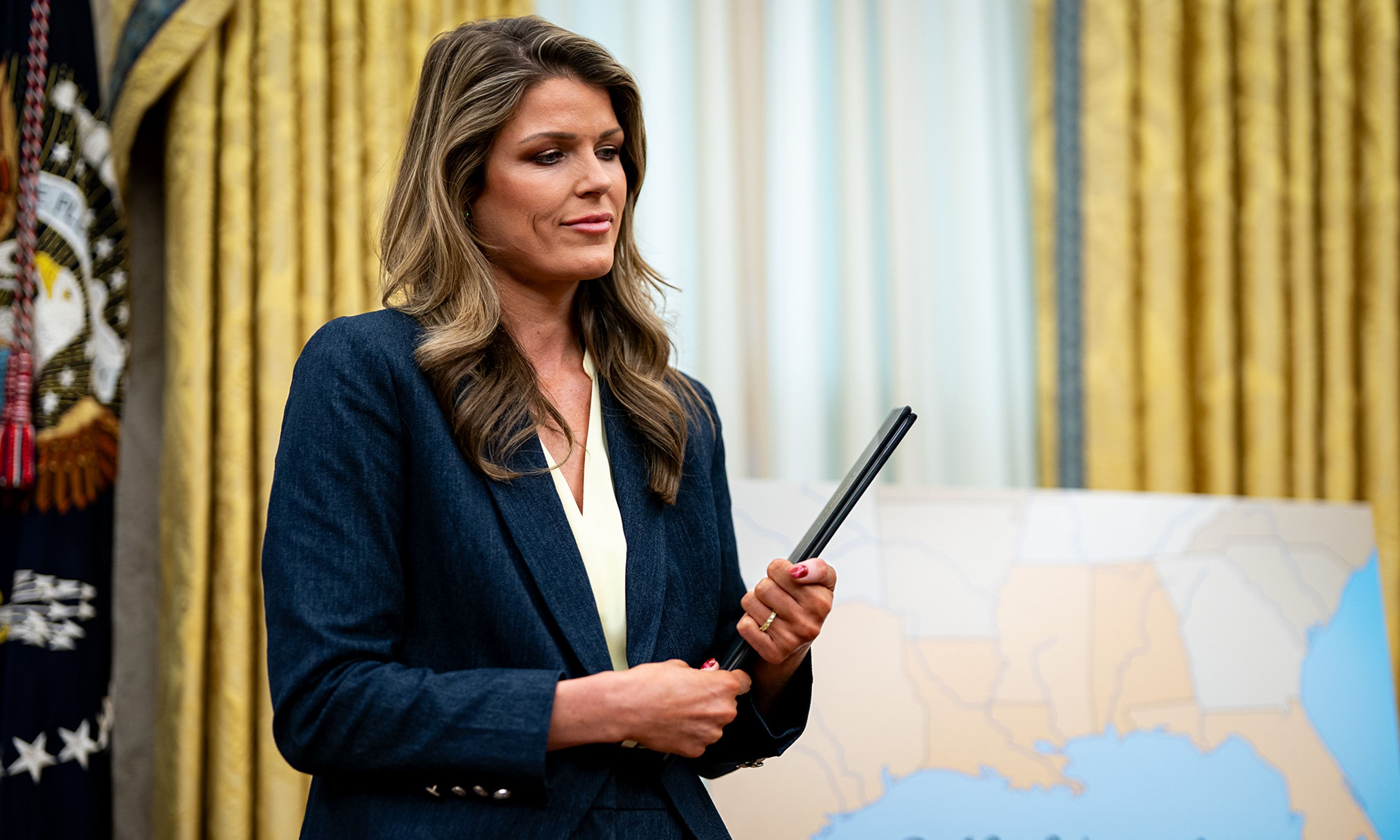
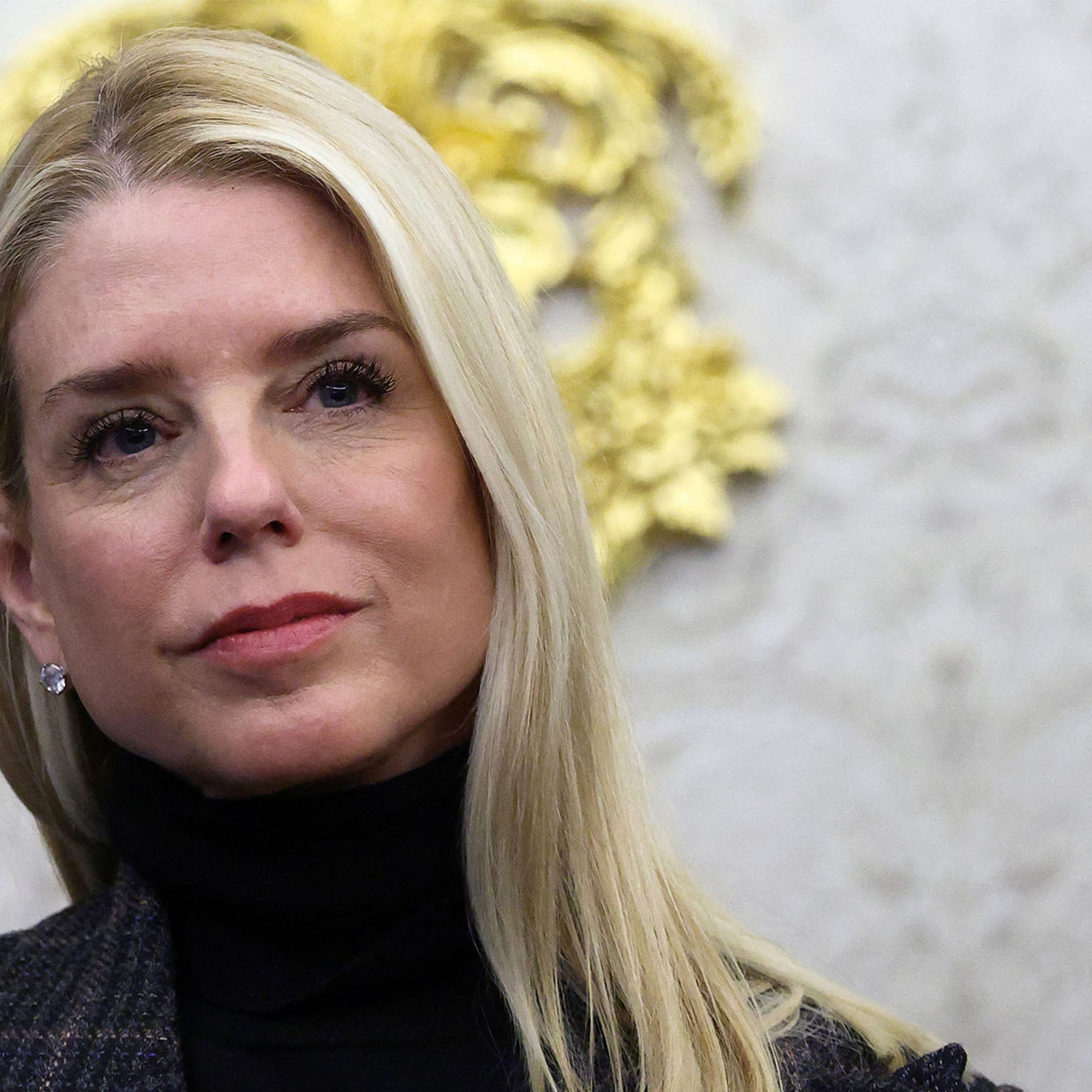
Attorney Lindsey Halligan in the Oval Office of the White House, in Washington, D.C., March 6, 2025
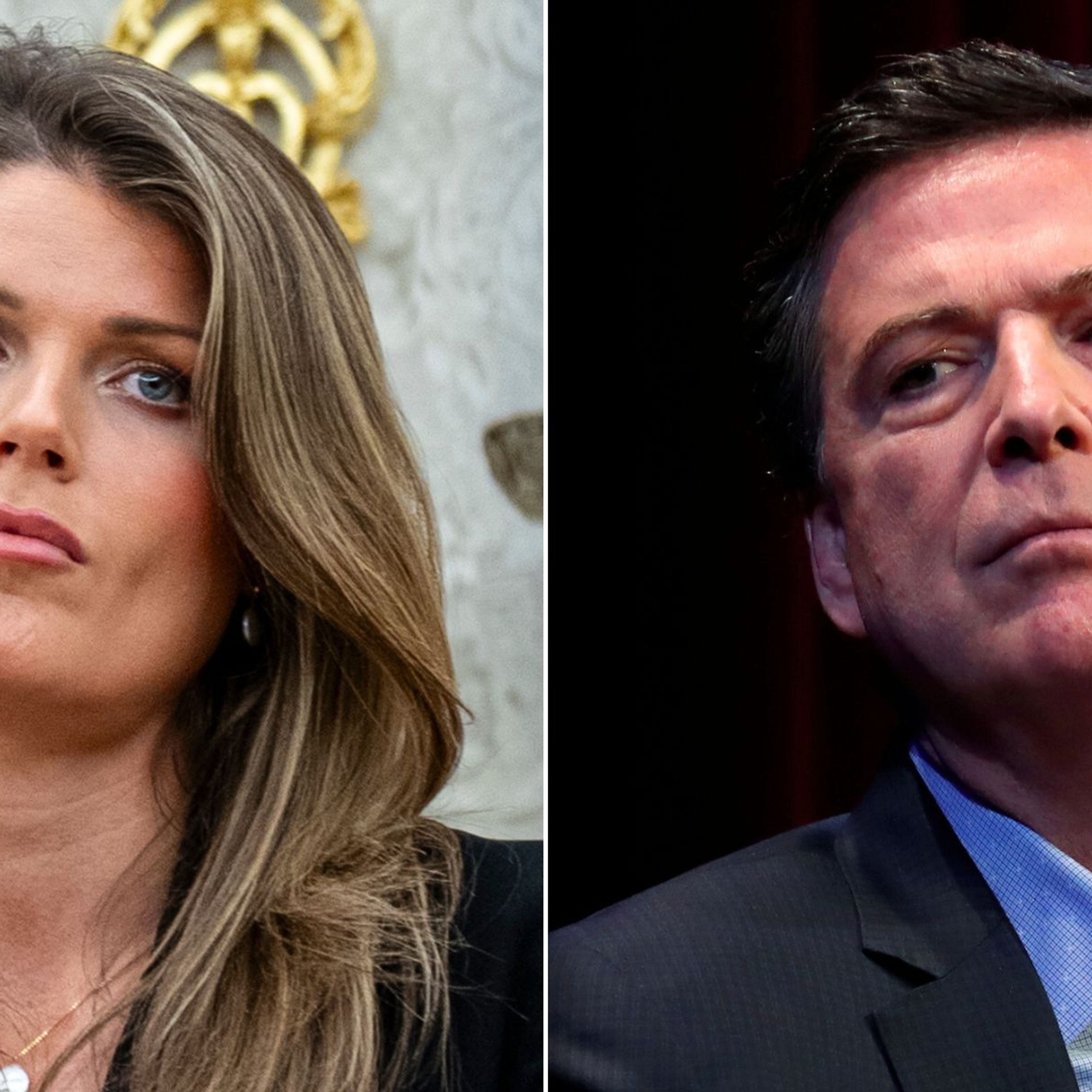
Lindsey Halligan, the interim U.S. attorney the Trump Justice Department installed in the Eastern District of Virginia (EDVa), withheld from the court portions of the grand jury proceedings that led to her indictment of former FBI Director James Comey.
In a curt order issued on Tuesday, Judge Cameron McGowan Currie directed Halligan to produce for the court’s inspection all of the withheld materials.
Judge Currie is a senior Clinton appointee from the District of South Carolina, assigned by the Fourth Circuit to decide former FBI Director James Comey’s motion to disqualify Halligan. Comey’s prosecution is taking place in the EDVa before Judge Michael S. Nachmanoff, a Biden appointee.
An insurance lawyer from Florida, Halligan represented Donald Trump as a private attorney. She has sparse criminal law experience: because she was in Florida at the time, she was the Trump lawyer directed to go to Mar-a-Lago and observe while the FBI searched the premises pursuant to a court-ordered warrant on August 8, 2022 (in the classified documents and obstruction investigation). After Trump won the 2024 election, Halligan was given a job on the White House staff.
In September, Erik Siebert resigned. He was the interim appointee who was awaiting Senate confirmation to become the full-fledged U.S. attorney for EDVa. Siebert had declined to indict Comey and another Trump nemesis, New York Attorney General Letitia James, believing there was insufficient evidence of wrongdoing. After chiding Attorney General Pamela Bondi over the lack of charges against Comey, James, and Senator Adam Schiff (the California Democrat who is now under investigation in the District of Maryland on dubious bank fraud suspicions similar to those for James is facing), Trump induced Bondi to install Halligan, who had never been a prosecutor, as the interim EDVa U.S. attorney. Bondi complied.
Five days later, Halligan indicted Comey on charges of making false statements and obstructing a congressional proceeding — although the grand jury refused to indict on a third charge (another alleged false statement). Halligan had never before presented a case to a grand jury.
Halligan appears to have handled the Comey grand jury proceedings by herself rather than ordering underlings to do it, and she alone signed the indictment. That could be significant.
As I explained last week, even if a district U.S. attorney has been appointed illegally (as Comey and James contend Halligan was), an indictment and prosecution may still be lawful if they are carried out by subordinate federal prosecutors — assistant U.S. attorneys. That’s because, although AUSAs in a district are usually hired by the presidentially-appointed U.S. attorney, their authority to prosecute derives from the Justice Department and the Attorney General.
After the indictment, Halligan recruited two experienced prosecutors from the Eastern District of North Carolina to handle the Comey case.
Comey and James (whose motions to disqualify Halligan have been consolidated before Judge Currie) contend that she was illegally appointed because the statute governing interim U.S. attorneys allows for a single 120-day interim period; prior to Halligan’s appointment, Siebert had served the 120-day period.
Comey also claims that the indictment fails to state a crime (I believe he is right about that, as detailed here, here, and here). Between that, the question about the degree of Halligan’s involvement in the grand jury proceedings, and the fact that the grand jury refused to approve one of the charges proposed by Halligan (a rare “no true bill”), there is heightened interest in exactly what went on in the grand jury. By law (Rule 6(e), Fed. R. Crim. P.), grand jury proceedings are secret. That is why Judge Currie has ordered that, at least for now, they be produced only to the court (i.e., in camera) for her inspection.
That said, Currie did ask for all the proceedings — specifically, “all documents relating to [Halligan’s] participation in the grand jury proceedings, along with complete grand jury transcripts.” Halligan did not comply.
She appears to have given the court only the transcript of her examination of a single witness. (Because hearsay is permitted in federal grand jury proceedings, the government often presents only a case agent, who summarizes the information gathered — with the proviso that the grand jury may ask to hear directly from the relevant witnesses.)
In Tuesday’s order, Judge Currie asserted:
This court has reviewed the transcript [provided by Halligan] and finds it fails to include remarks made by [Halligan] both before and after the testimony of the sole witness, which remarks were referenced by [Halligan] during the witness’s testimony. In addition, the package contains no records or transcripts regarding the presentation of the three-count indictment referenced in the Transcript of the Return of Grand Jury Indictment Proceedings before the Magistrate Judge.
This suggests two things. First, Currie wants to make a definitive record of whether, apart from Halligan, any authorized federal prosecutor participated in the grand jury proceedings, such that the charges could be legitimately upheld even if Halligan is found to be disqualified. Second, Currie is inspecting whether Halligan’s presentation of the case included irregularities that led the grand jury to indict when it shouldn’t have.
On the latter point, I suspect that’s why the judge wants to see Halligan’s introductory remarks to the grand jury about the case, as well as her closing remarks, which would have included instructions to the grand jury about what criminal laws applied and what finding they needed to make. (The grand jury may properly indict a charge only if it finds probable cause supporting the essential elements of the offenses.)
Recall that the government has been coy about the indictment’s allusions to “Person 1” and “Person 3.” Prosecutors finally informed the defense, almost three weeks after the indictment was filed, that Person 3 is Columbia law professor Daniel Richman (the FBI official Comey allegedly authorized to leak to the media about an FBI investigation) and that Person 1 is Hillary Clinton (allegedly the subject of that investigation). Presumably, Currie wants to examine what the grand jury was told and whether there was clarity about who was who.
Moreover, there is concern about the no true bill: The grand jury rejected an allegation that Comey lied when he testified that he did not recall a CIA referral to the FBI regarding a Hillary Clinton (Person 1) campaign plan concerning “Person 2” (President Trump). (See here, proposed Count One.) Apart from any concern about the grand jury’s understanding of who the players were, there was manifest confusion about what the grand jury had done when the indictment and the no true bill were returned to EDVa Magistrate Judge Lindsey Vaala at an unusually late hour of the day (around 7 p.m., though grand jury sessions generally end by mid-to-late afternoon). For example, Halligan said she hadn’t seen a version of the indictment that included the count the grand jury had rejected, even though it turned out that Halligan had signed that version.
Judge Currie ordered that the full grand jury proceedings must be supplied to the court by the close of business today.
About the Author
Andrew C. McCarthy is a senior fellow at National Review Institute, an NR contributing editor, and author of Ball of Collusion: The Plot to Rig an Election and Destroy a Presidency.
Featured Tags
Advertisement
Advertisement
Comments