Share this story
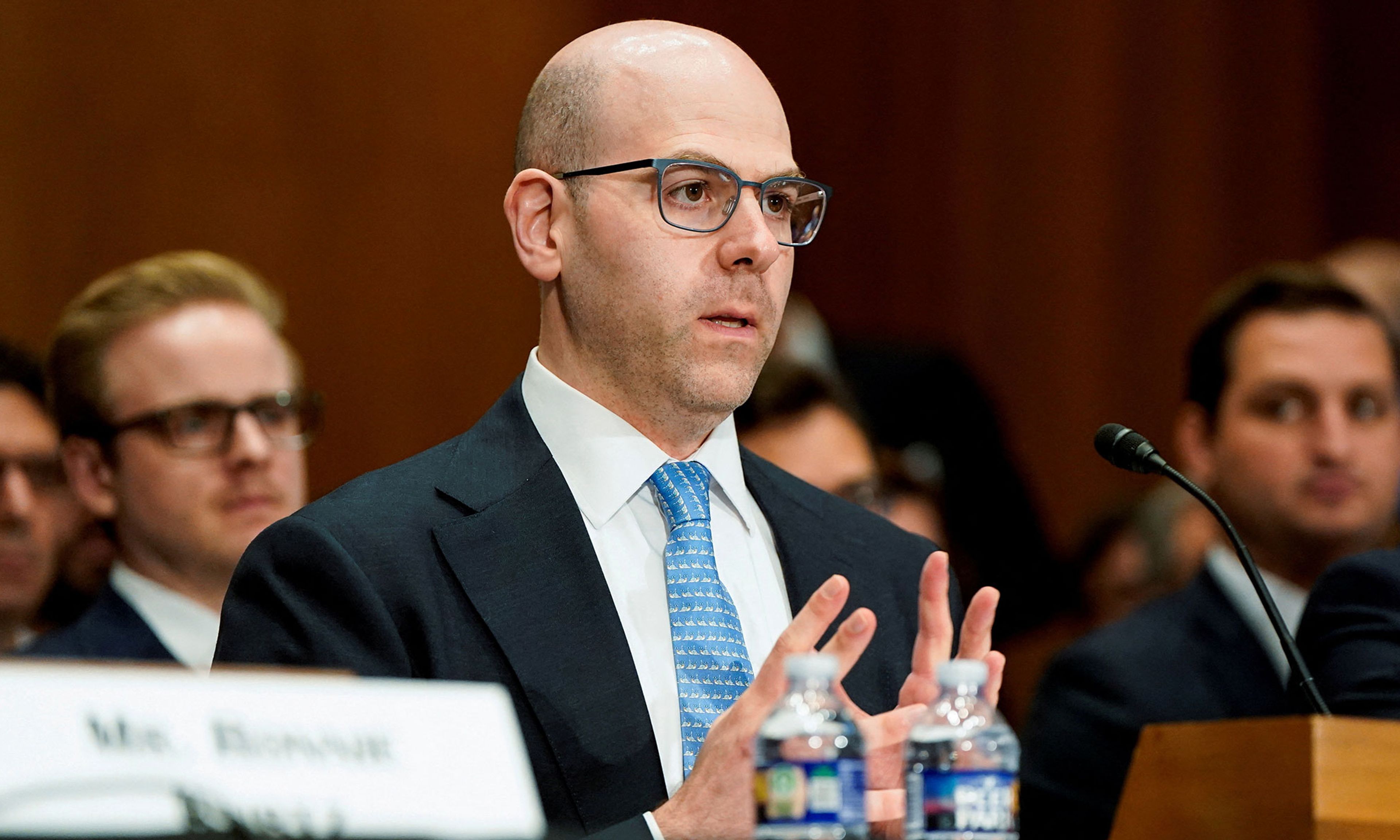
Stephen Miran, President Donald Trump's nominee to the Federal Reserve Board attends a Senate Banking, Housing and Urban Affairs Committee nomination hearing on Capitol Hill in Washington, D.C., September 4, 2025.
Trump's nominee for the Federal Reserve Board of Governors, Stephen Miran, has said he will remain as the chairman of the Council of Economic Advisers if he is confirmed as a Fed governor. This is disqualifying.
He told the Senate today that he would take an unpaid leave of absence from his job as CEA chairman, rather than resign, for the short duration of the term he is looking to complete. The term expires in January, at which point he could either be renominated or replaced.
There has already been a troubling pattern of officials passing between the White House and the Fed seamlessly. I criticized Janet Yellen and Lael Brainard for joining the Biden administration after having risen to high positions at the Federal Reserve. Central bankers should view it as a demotion to take a job working for a politician. Separation between the central bank and day-to-day politics is in politicians' best interest and the public interest because it has a better track record of keeping inflation under control than politician-directed monetary policy.
"Increased crossover with a Democratic administration doesn’t help assuage concerns that the Fed is becoming too politicized, focusing on diversity, equity, and inclusion and climate change at the expense of its statutory purpose," I wrote in 2023. But at least Yellen and Brainard didn't work in both places at the same time. That's another level of politicization, and it should be roundly rejected by the Senate.
Congress created the Fed with a certain measure of independence from the elected parts of government. The president appoints the Board of Governors with the advice and consent of the Senate, but the terms are long because Congress, wisely, did not want governors to make decisions based on the electoral calendar and wanted to ensure a certain level of stability, which is vital for sound monetary policy.
Miran, by his statement today, is essentially promising to remain loyal to Trump while joining the central bank. That's not the job he has been nominated for. In fact, central bankers, when they are doing their job well, frequently have to say "no" to politicians who want monetary sugar-highs for electoral purposes. You might not like independent central banks, and the Fed makes plenty of mistakes worth criticizing, but you'll hate politician-made monetary policy even more.

About the Author
Dominic Pino is the economics editor and Thomas L. Rhodes Fellow at National Review and the host of the American Institute for Economic Research podcast Econception.
Featured Tags
Advertisement
Advertisement


Comments