Share this story
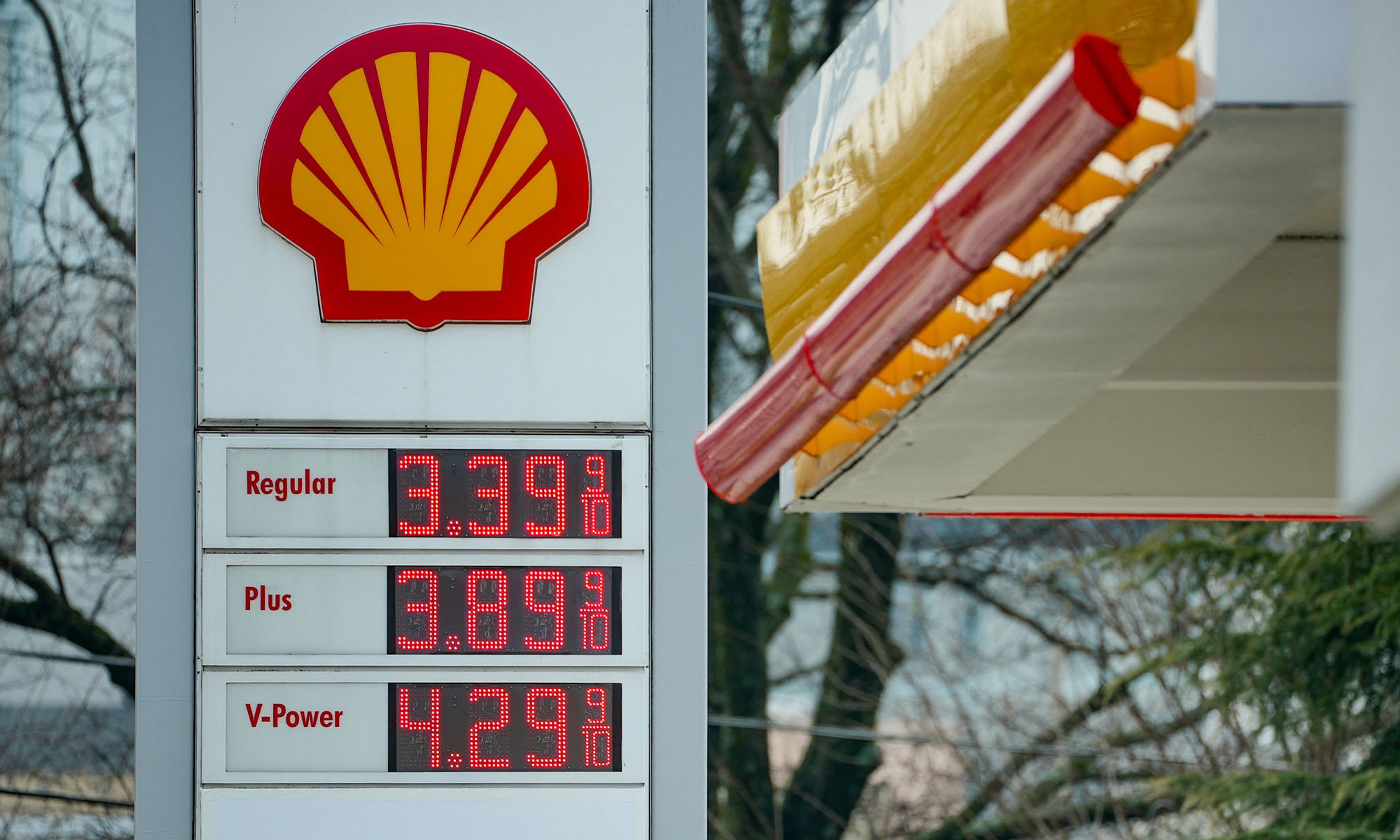
Gas prices are seen at a Shell station in Washington, D.C., March 5, 2026.
On the menu today: And now, the war gets complicated. The oil tankers in the Persian Gulf have almost entirely stopped, other than the ones heading to China. Here in the United States, gas prices are surging and the markets are nervous. Desalinization plants along the Persian Gulf are now among the targets of Iranian drones. And the White House press secretary, when asked about reinstating the draft, offers the standard boilerplate about no option being ruled out. Read on.
The War’s Consequences Come to America
According to the maritime news site Windward, at least eight commercial vessels have been struck since the start of the conflict across the Persian Gulf, the Gulf of Oman, and nearby waters, including a missile incident near Khasab involving a salvage tug. More than 1,100 vessels experienced GPS and AIS interference, degrading navigational reliability across the region.
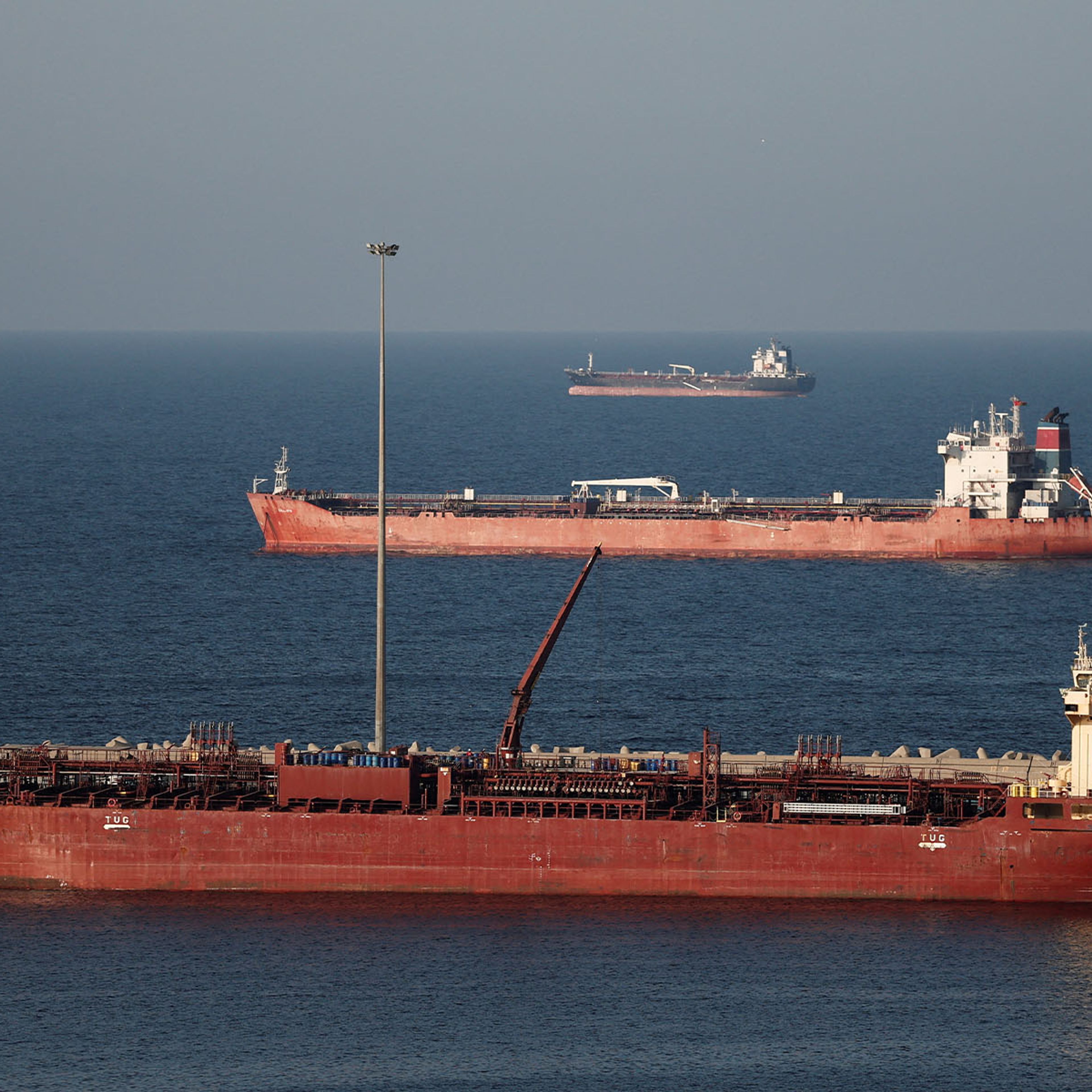
Traffic in the Strait of Hormuz has come to a standstill. Windward reported that on Sunday, just three vessels recorded crossing the strait, and their analysis contends “certain non-Western-linked vessels continuing to move through Hormuz while broader traffic remains frozen. . . . Kharg Island imagery indicates that Iranian crude export operations remain active, while Islamic Republic of Iran Shipping Lines linked cargoes continue to move from China toward Iran.”
In other words, the Iranians aren’t shooting at ships that are going to or coming from China.
Insurance companies canceled war coverage for ships in the strait last week. The Trump administration announced a $20 billion reinsurance plan through the U.S. International Development Finance Corporation. DFC CEO Ben Black said March 6, “We are confident that our reinsurance plan will get oil, gasoline, LNG, jet fuel, and fertilizer through the Strait of Hormuz and flowing again to the world.”
But getting the ships insured is just one necessary step. The crews themselves may not be quite so eager to sail directly into a war zone. The narrowest point in the strait is about 24 miles across, and with about 400 tankers currently stuck in the Gulf due to the war, the Iranians have no shortage of targets and a good sense of their likely destinations in terminals.
The Iranian capacity to fire missiles and drones has been significantly degraded, but that doesn’t mean it has been eliminated. On Monday, Iran launched new attacks on Israel, Bahrain, Qatar, the United Arab Emirates, and Saudi Arabia.
President Trump has also talked about using the U.S. Navy to escort ships through the Persian Gulf. The navy performed a similar mission during the “tanker war” in 1987 and 1988, which eventually led to Operation Praying Mantis against Iranian targets. With that said, there are several hundred tankers that would need escorted, and it’s not clear how many ships the U.S. Navy could spare from their current duties in the war.
As you have no doubt noticed if you’ve filled up your car’s gas tank in the past week, war in the Persian Gulf had an immediate effect on gas prices. From February 26 to March 5, the average price for a gallon of gasoline in the tracking by the American Automobile Association increased from $2.98 to $3.25. This morning, the national average price for a gallon of gasoline is up to $3.47.
Yesterday, Energy Secretary Chris Wright appeared on Face the Nation with Margaret Brennan and said, “Yes, we have a temporary period of elevated energy prices, but it will not be long. In the worst case, this is weeks, this is not months, and it leads to a much better place. It leads to an Iran that's defanged, that can't threaten its neighbors, can't threaten American soldiers, and can't continue to drive up energy prices by making a mess of the Middle East. They can move to commerce, not conflict. . . . [Oil and gas prices] shouldn't go much higher than they are here because the world is very well supplied with oil. There's no energy shortage at all in the Western Hemisphere.”
U.S. production of crude oil remained near record levels as of December 2025, according to the U.S. Energy Information Administration. But there’s a catch. Last year, the U.S. exported about 10.7 million barrels per day in petroleum and petroleum products, and was importing about 7.9 million barrels a day. As Yahoo Finance explains:
The U.S. produces enormous amounts of crude oil, but the country’s refining system was largely built decades ago to process heavier, more sulfur-rich crude oils. Much of the boom in U.S. output over the past decade has come from shale fields that produce lighter, ‘sweeter’ crude.”
As a result, U.S. refiners still import millions of barrels of heavier crude each day. The vast majority of those imports, however, come from Canada and Latin America, according to data from the U.S. Energy Information Administration, leaving the U.S. less directly exposed to disruptions in Middle Eastern supply.
It would be helpful if more U.S. refineries could easily process the sweeter crude being produced domestically. For years, this newsletter has been arguing for the need for the United States to expand its capacity to refine oil. I might as well be banging my head against a brick wall. U.S. oil refinery capacity has remained pretty flat for decades. In April 2020, we produced almost 19 million barrels per day. As of last December, we’re at 18 million. The most recent major oil refinery built in the U.S. was constructed in 1976.
But the gasoline prices of today are effectively a bet on what the oil prices of tomorrow will be. As our John Puri explained, “Supply disruption anywhere raises prices here. If Asia and Europe can’t get the oil they need from the Middle East, they will buy more from other places, including the United States. That puts them in competition with American buyers, who will have to pay more to keep oil flowing.”
Gas stations believe, with good evidence, that global supplies will be reduced, while demand will be the same (or increasing in the summer months). If their future supplies are going to cost more in the future, they have to charge more now.
And there’s a great deal of concern about how long it will be before oil tankers start passing through the Strait of Hormuz again:
Neil Atkinson, former head of oil at the International Energy Agency, said the effective closure of the Strait of Hormuz is something energy markets had never seen before. Unless something changes very soon “we are in a potentially game-changing and unprecedented energy crisis,” he told CNBC on Monday.
Asked what this could mean for oil prices, Atkinson replied: “Sorry, we are getting into the realms of educated guesswork here. I mean, there is no precedent for this. The sky is the limit.”
Still, if you think disruption to the flow of oil creates problems, wait until you hear about the disruption to water supplies.
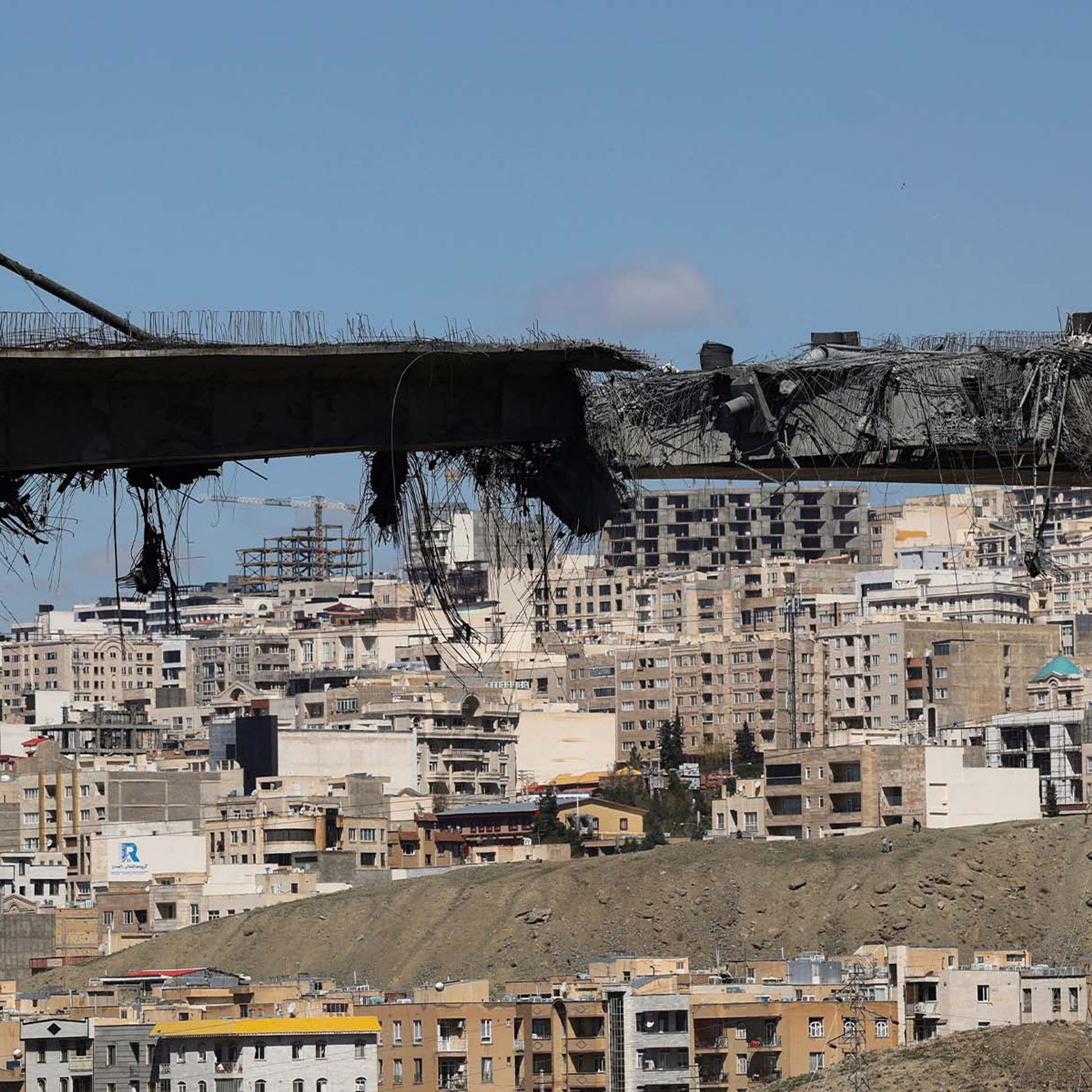
Iran’s foreign minister, Abbas Araghchi, posted on X, “The U.S. committed a blatant and desperate crime by attacking a freshwater desalination plant on Qeshm Island. Water supply in 30 villages has been impacted. Attacking Iran's infrastructure is a dangerous move with grave consequences. The U.S. set this precedent, not Iran.” In response, U.S. Central Command spokesperson U.S. Navy Captain Tim Hawkins denied that the U.S. had attacked the plant and added, “U.S. forces do not target civilians — period.”
The Bahrainian Interior Ministry reported that an Iranian drone attack damaged a water-desalination plant in that country Sunday.
Desalinization plants are big, stationary targets, and they are absolutely vital to the people living on either side of the Persian Gulf:
Hundreds of desalination plants sit along the Persian Gulf coast, putting individual systems that supply water to millions within range of Iranian missile or drone strikes. Without them, major cities could not sustain their current populations.
In Kuwait, about 90 percent of drinking water comes from desalination, along with roughly 86 percent in Oman and about 70 percent in Saudi Arabia. . . .
Damage also was reported at the Fujairah F1 power and water complex in the United Arab Emirates, and at Kuwait’s Doha West desalination plant. The damage at the two facilities appeared to have resulted from nearby port attacks or debris from intercepted drones.
Pandora’s box feels awfully open right now.
Is There a Draft in Here?
White House Press Secretary Karoline Leavitt, appearing on Maria Bartiromo’s Fox News Channel program, Sunday morning:
Bartiromo: I want to get your take about this idea of troops on the ground. Mothers out there are worried that we're going to have a draft, that they're going to see their sons and daughters get involved in this. What do you want to say about the president's plans for troops on the ground?
Leavitt: As we know, it's been largely an air campaign up until now. Has been, and it will continue to be. And President Trump wisely does not remove options off of the table. I know a lot of politicians like to do that quickly, but the president as commander in chief wants to continue to assess the success of this military operation. It's not part of the current plan right now, but the president, again, wisely keeps his options on table.
I know “we’re keeping all options on the table” is this administration’s standard response to all questions. I know that the odds of this administration attempting to bring back the military draft are infinitesimally small. Restoring the draft would require Congress to amend the Military Selective Service Act. Even an effort to restore the draft would be less popular than Trump’s decision to pardon all those convicted of crimes in the wake of the January 6 Capitol Hill riot; 83 percent of Americans opposed that decision.
But an answer like the one Leavitt gave guarantees a lot of “Trump won’t rule out reinstating the draft for Iran war” headlines, and a whole lot of furious invocations of Trump’s bone spurs.
An answer along the lines of, “That has not been discussed,” or “We’re not looking at that option” would have been so much better.
ADDENDUM: Representative Michael Baumgartner, Republican of Washington, writes here at NR, “While Iran is not Iraq 2.0, it requires a disciplined approach and a clear plan for the future.”
Those traits . . . do not seem to be in abundance in the nation’s capital, now, do they?

About the Author
Jim Geraghty is the senior political correspondent of National Review.
Featured Tags
Advertisement
Advertisement


Comments