Anthropic CEO Rejects Pentagon's Demands to Use AI Technology for Broader Military Purposes
Written by James Lynch
Share this story

Anthropic CEO and co-founder Dario Amodei speaks during the World Economic Forum meeting in Davos, Switzerland, January 20, 2026.
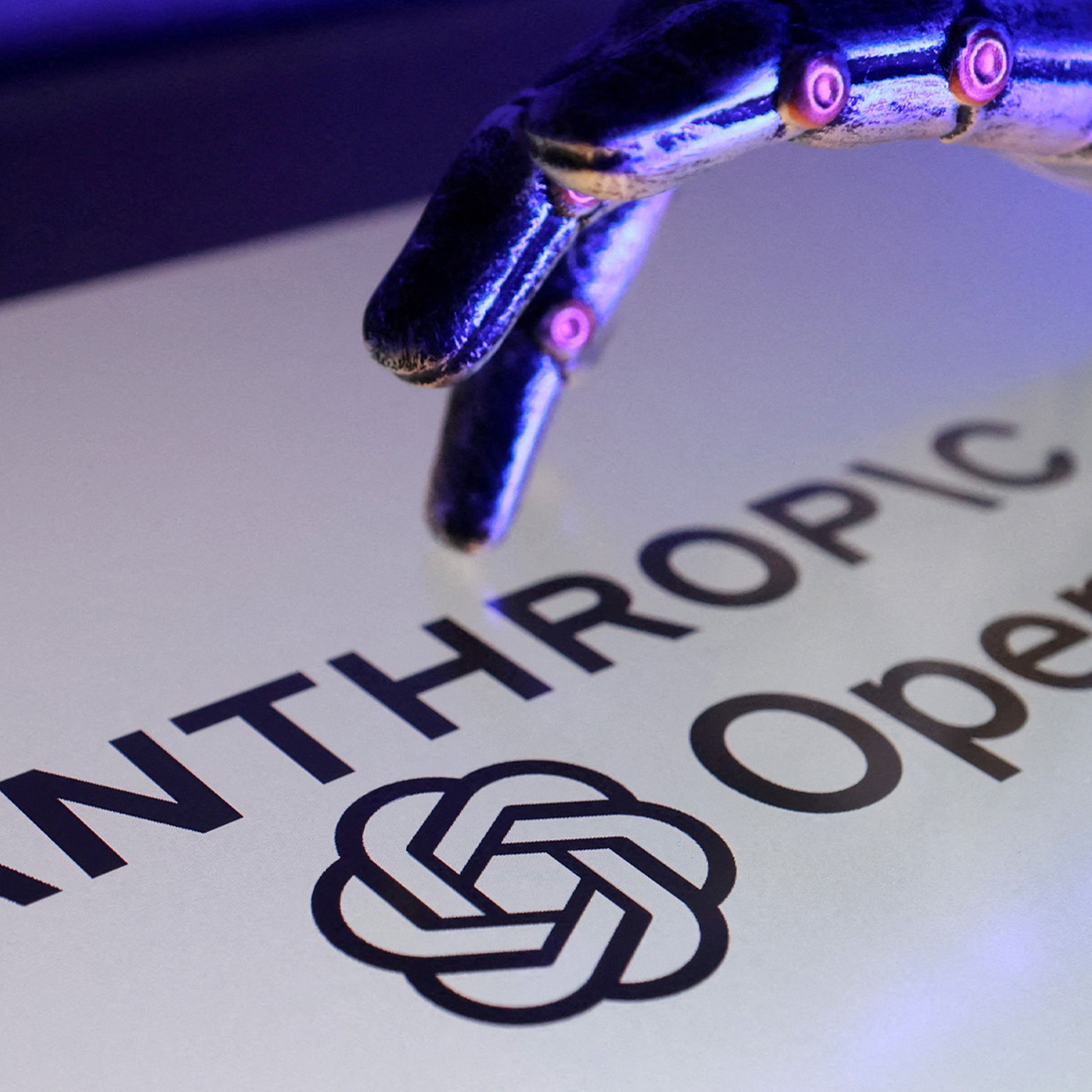
An extraordinary fight between AI company Anthropic and the Pentagon is coming to a head over the Department of Defense's plans to use the company's models for domestic surveillance and fully autonomous weapons.
The Pentagon has already taken steps to blacklist Anthropic and its industry-leading AI model Claude as punishment for the firm's refusal to give in to the administration's demands. Simultaneously, the Trump administration has threatened to invoke the Defense Production Act to compel Anthropic to allow the military to deploy Claude as it sees fit.
Anthropic CEO Dario Amodei released a lengthy statement on Thursday rejecting the Pentagon's plans after tense back-and-forth negotiations between the two sides occurred this week.
"Regardless, these threats do not change our position: we cannot in good conscience accede to their request," Amodei said.
"It is the Department’s prerogative to select contractors most aligned with their vision. But given the substantial value that Anthropic’s technology provides to our armed forces, we hope they reconsider. Our strong preference is to continue to serve the Department and our warfighters—with our two requested safeguards in place."
Anthropic did not object to specific military operations or prior ad hoc uses of its technology, Amodei stated. Mass surveillance and fully autonomous weapons were the only points of objection for Anthropic. Those two functions were not part of Anthropic's previous contracts with the Department of Defense. Amodei expressed his support for putting AI towards defending the U.S. and its democratic allies against global adversaries. But he argued that mass surveillance and autonomous weaponry would go against democratic values, rather than promoting them.
Amodei said Anthropic would cooperate with the U.S. government in transitioning to another model if the Pentagon moves forward with its plans. It is not yet known if Anthropic will wage legal challenges against the administration if the company is punished for its stance. Ahead of Amodei's announcement, the Pentagon took its first step in labeling Anthropic a "supply chain risk," a move typically reserved for firms with ties to U.S. adversaries such as China and Russia.
Designating Anthropic a supply chain risk would require other companies with Pentagon ties to stop using Claude, effectively blacklisting a leading U.S. tech firm during an economy-wide AI boom. Conversely, invoking the Defense Production Act against Anthropic's will would compel Anthropic to accept certain contracts and force Anthropic to adapt its product to fit the Pentagon's needs.
Claude is widely deployed across the national-security agencies, and it is the only model currently used in the U.S. government's classified systems. Through its partnership with Palantir, Claude contributed to the Trump administration's capture of Venezuelan socialist dictator Nicolás Maduro in January. Elon Musk's AI company recently agreed to allow the Pentagon to use its model, Grok, for classified systems, but it is unclear if it will be capable of fully replacing Claude.
The unprecedented feud between Anthropic and the U.S. government reflects growing tensions between the Trump administration and proponents of AI safeguards. Anthropic is both an industry-leading AI company and one of the leading institutions promoting baseline AI regulations, a distinction that separates it from the rest of the industry.
Due to concerns about AI safety, Anthropic has taken steps to prevent minors from using Claude and has severed ties with Chinese firms linked to the Chinese Communist Party. Furthermore, Anthropic has advocated export controls to prevent China from taking advantage of advanced U.S. AI technology, a position that conflicts with the Trump administration's choice to allow chipmaker Nvidia to sell some of its most advanced AI chips to China.

About the Author
James Lynch is a news writer for National Review. He previously was a reporter for the Daily Caller. He is a graduate of the University of Notre Dame and based in the Washington, D.C. area.
Featured Tags
Advertisement
Advertisement



Comments