Six New States Now Able to Ban Residents from Using Food Stamps to Buy Junk Food
Written by Kamden Mulder
Share this story
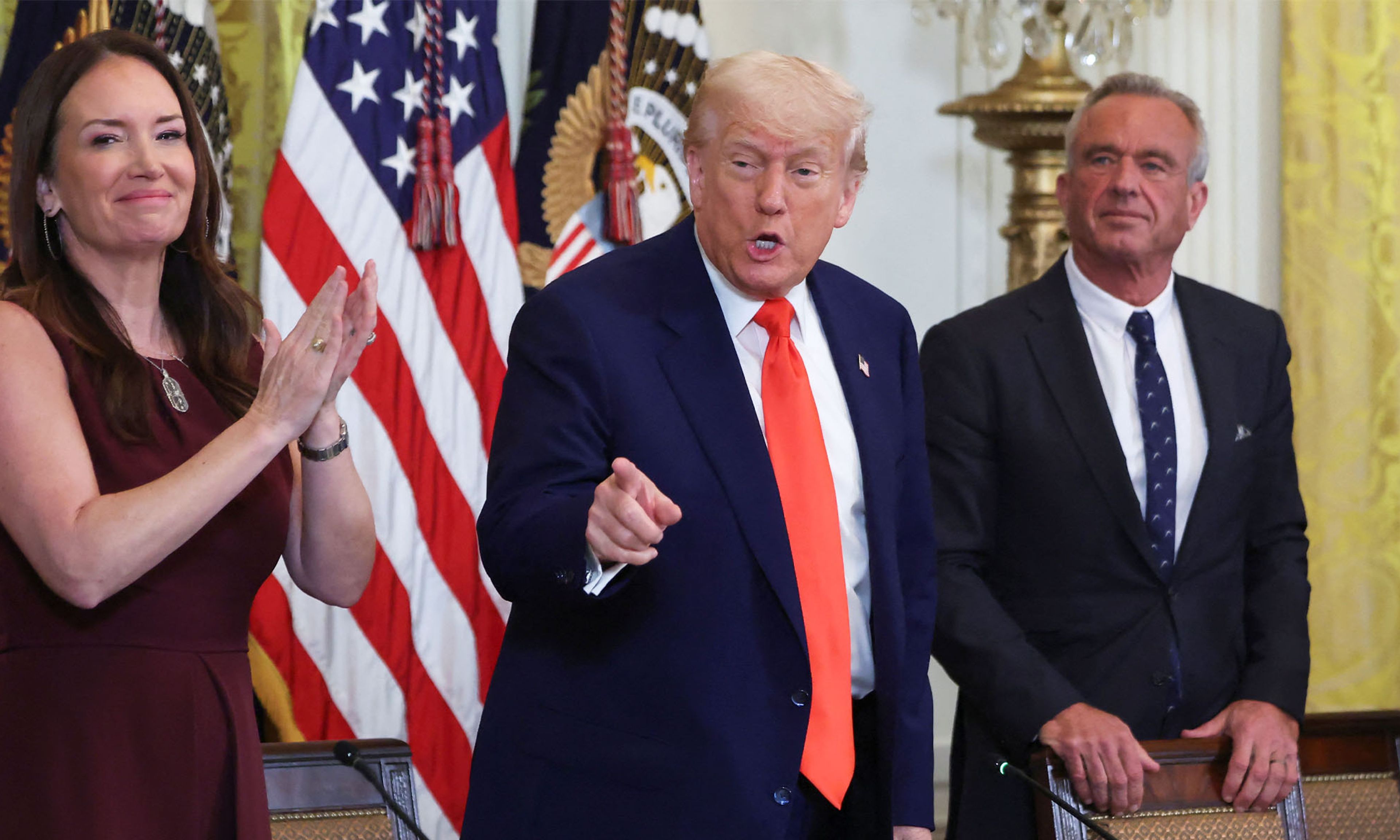
President Donald Trump, HHS Secretary Robert F. Kennedy Jr., and Secretary of Agriculture Brooke Rollins attend a Make America Healthy Again Commission event, in the East Room of the White House in Washington, D.C., May 22, 2025.
Six more states received waivers last week to ban the use of Supplemental Nutrition Assistance Program (SNAP) benefits for purchasing junk food items such as soda and candy.
The SNAP program reform comes as the Trump administration focuses on Secretary of Health and Human Services Robert F. Kennedy Jr.'s "Make America Healthy Again" initiative. Secretary of Agriculture Brooke Rollins signed the waivers at the Great American Farmers Market's MAHA Monday event.
“For years, SNAP has used taxpayer dollars to fund soda and candy—products that fuel America’s diabetes and chronic disease epidemics,” Kennedy said in an HHS press release. “These waivers help put real food back at the center of the program and empower states to lead the charge in protecting public health. I thank these governors who have stepped up to request waivers, and I encourage others to follow their lead. This is how we Make America Healthy Again.”
The states in this round of waivers include West Virginia, Florida, Colorado, Louisiana, Oklahoma, and Texas. The waivers allow the state to "amend the statutory definition of food for purchase and end the subsidization of popular types of junk food beginning in 2026."
Other states with waivers include Arkansas, Idaho, Indiana, Iowa, Nebraska and Utah.
Each state has implemented its own restrictions, with Arkansas, for example, restricting the purchase of fruit and vegetable juices that contain less than 50 percent natural juice, and states like Louisiana and Nebraska restricting the purchase of energy drinks.
“It is incredible to see so many states take action at this critical moment in our nation’s history and do something to begin to address chronic health problems," Rollins said. "At USDA, we play a key role in supporting Americans who fall on hard times, and that commitment does not change. Rather, these state waivers promote healthier options for families in need."
The first American food stamp program was created in 1939, and by 1964, under President Lyndon B. Johnson's administration, the Food Stamp Act of 1964 was passed. Even in 1964, the House's original version of the bill included verbiage that banned the use of food stamps for products like soft drinks, alcohol, and luxury foods. That version, however, did not pass.
Currently, there are restrictions that cover all 50 states, some of which include alcohol, tobacco products, live animals, and non-food items.
The SNAP program is federally funded, and in fiscal year 2023, the government spent $115 billion on SNAP benefits.
"This [the waiver] will ensure taxpayer dollars are used to purchase foods with real nutritional value to keep Texans healthy," Texas Governor Greg Abbott said in a post on X.

About the Author
Kamden Mulder is a William F. Buckley Jr. Fellow in Political Journalism. She is a graduate of Hillsdale College.
Featured Tags
Advertisement
Advertisement
Comments