Share this story
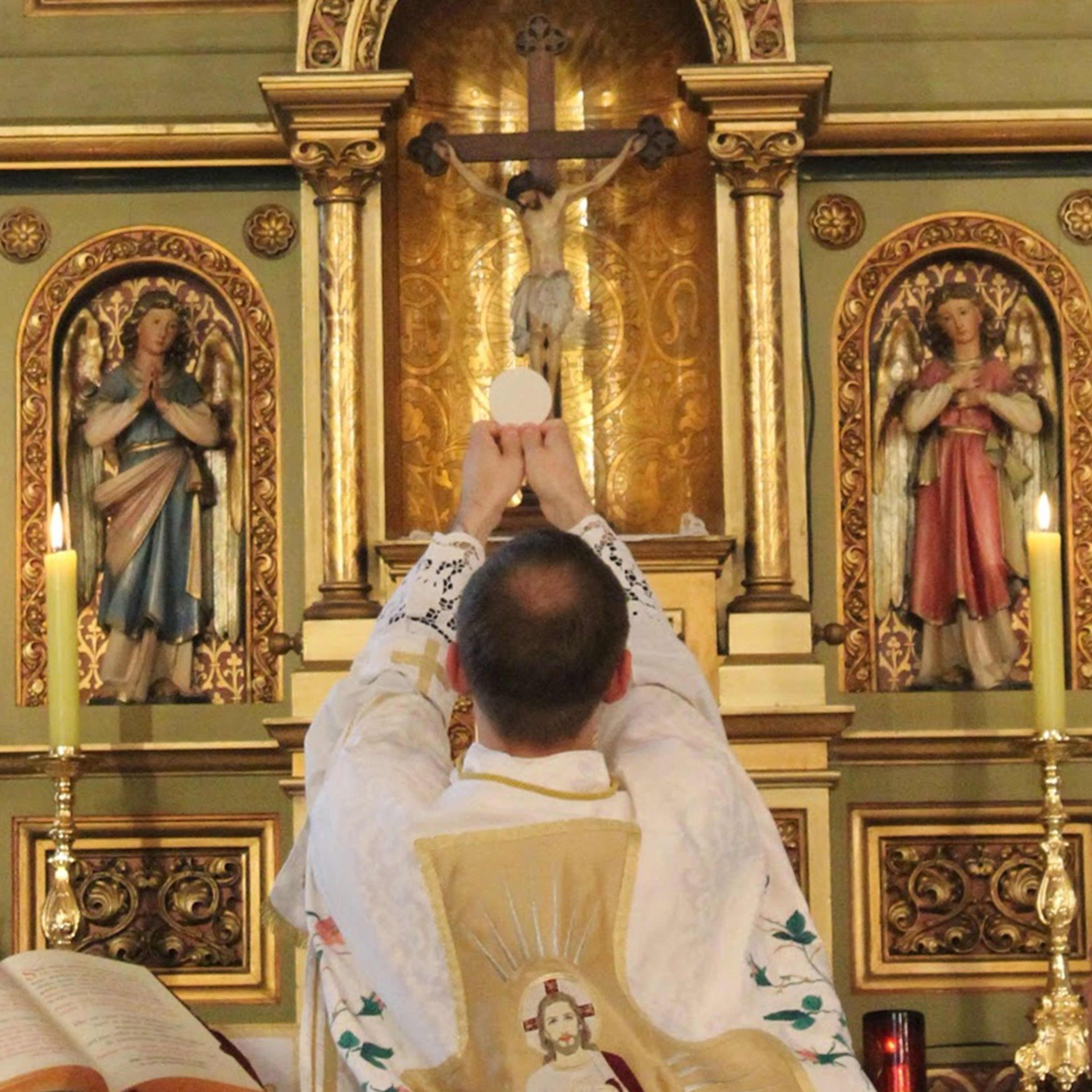
The Society of Saint Pius X was founded in 1970 by the French traditionalist Archbishop Marcel Lefebvre. It was founded to preserve the celebration of the Traditional Latin Mass that antedated the Second Vatican Council and to give priests a traditional formation, contrary to what Lefebvre deemed to be destructive novelties. It ultimately found its raison d'être in the belief of lex orandi, lex credendi — the rule of prayer is the rule of belief. An orthodox liturgy would guard orthodoxy itself.
In 1988, anticipating his death, Lefebvre created four new bishops to carry on his work. He did so without permission from Rome, and he and they suffered a penalty of automatic excommunication. This led to a split within the Society of Saint Pius X and the creation of the Priestly Fraternity of Saint Peter, which stayed with Rome. Under Pope Benedict, three of the bishops who remained in the Society of Saint Pius X saw their excommunications lifted while the society remained in "irregular" communion. Pope Francis even regularized their judicial status, granting them faculties to hear confessions, etc.
Now, those bishops are getting very old, and the Society of Saint Pius X, hoping to preserve its existence, has proposed another round of consecrations. They have not been able to get an agreement on this from Rome, and Rome seems set to reimpose — perhaps on all the society's members — a penalty of excommunication. This would be grave because the society is much larger now. It seems that the society as well as Pope Leo's curia have settled on the same old game that led to disaster 30 years ago. It also seems far less necessary — as the old Mass has found a much larger foothold in the universal church than it had in the 1980s.

About the Author
Michael Brendan Dougherty is a senior writer at National Review Online.
Featured Tags
Advertisement
Advertisement
Comments